同样是东南亚生活,住泰国和马来西亚的感觉真的不一样
◆ ◆ ◆ ◆
东南亚旅居,到底好在哪里?
Why is living in Southeast Asia so appealing?
◆ ◆ ◆ ◆
这几年越来越多人把“旅居东南亚”放进人生清单里。看起来是想换个环境度个长假,但真住下来,你会发现这不是一场逃离,而是一种新的生活方式。
In recent years, more and more people have added “living in Southeast Asia for a while” to their life checklist. At first glance, it may look like taking an extended vacation in a new environment, but once you actually settle down, you’ll realize it’s not an escape—it’s a whole new way of living.
无论是想摆脱快节奏,还是希望降低生活成本,泰国和马来西亚都给了人一种“好像能长期待下去”的感觉。
Whether you’re trying to break away from a fast-paced lifestyle or hoping to lower your living costs, both Thailand and Malaysia give people a sense that “I could actually stay here for a long time.”
只是,每个城市都有它鲜明的个性:有的热闹,有的松弛,有的方便,有的慢悠悠。如果你认真比较,会发现旅居最真实的差别,往往藏在饮食习惯、通勤感受、租房体验,以及每天醒来那种“舒服不舒服”的状态里。
But every city has its own personality—some lively, some laid-back, some convenient, some slow. And if you look closely, the real differences reveal themselves in things like eating habits, commuting, renting an apartment, and how comfortable you feel waking up every day.
◆ ◆ ◆ ◆
泰国四城:精彩、热闹与慢活交织
Thailand’s Four Main Cities: A Mix of Vibrancy, Excitement, and Slow Living
◆ ◆ ◆ ◆
在泰国生活,最明显的感受就是“同一个国家,完全不同的四种生活方式”。
The most obvious feeling about living in Thailand is this: “One country, four completely different lifestyles.”
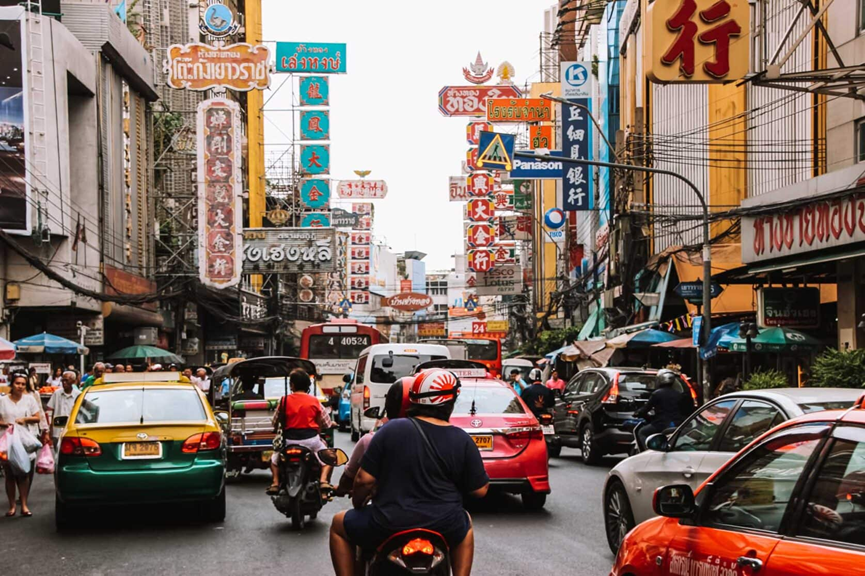
曼谷是许多人踏进泰国的第一站,它像一台始终不停机的城市引擎。工作日的节奏快,但下了班,随便走进一条巷子,街边小摊、夜市、咖啡店、酒吧都活力满满。吃的选择更是不用愁,从地道泰餐到日韩料理、中餐、清真餐厅,各种价位都能找到。
Bangkok is many people’s first stop in Thailand—a city that runs like an engine that never switches off. The weekday pace is fast, but after work, simply walking into any alley leads you to food stalls, night markets, cafés, and bars buzzing with energy. Dining options are endless—from traditional Thai food to Japanese, Korean, Chinese, and halal cuisine at all price points.
但只要你开始通勤,泰国式堵车的威力就会立刻泼你一盆冷水;而冬季空气质量起伏不定,有时也需要一点“适应力”。
But once you start commuting, the infamous Thai traffic will quickly pour cold water on your enthusiasm; and in winter, the air quality fluctuates, requiring some adaptation.
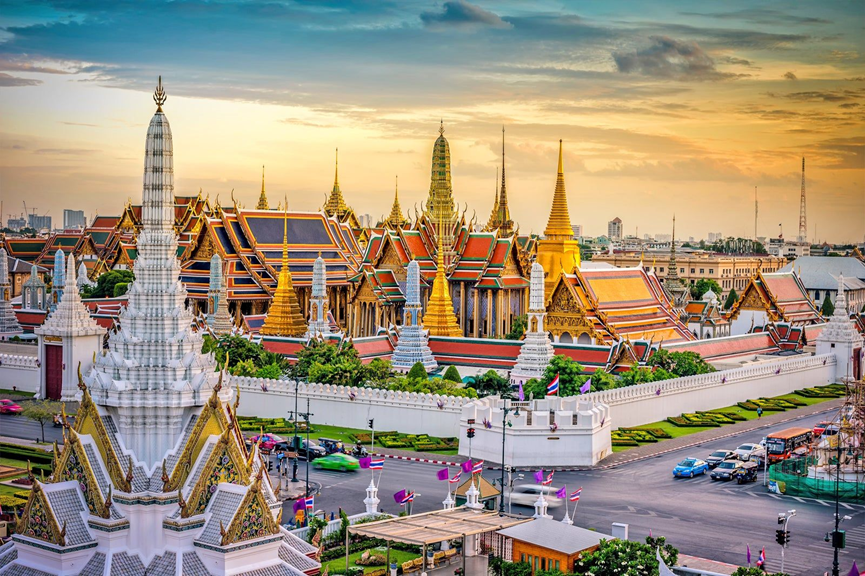
芭提雅的日子完全不一样。靠海的生活让整体节奏慢了好几拍,随时能感受到“度假”的气氛。沿路都是海景餐厅、按摩店、潜水店,夜晚的灯光更是绚烂。
Pattaya is a completely different story. Being by the sea naturally slows the pace down by several beats, and you can feel the “vacation vibe” at all times. The coastal roads are lined with oceanfront restaurants, massage shops, and diving centers, with vibrant nightlife after dark.
但住得久了,你会发现它的商业氛围始终偏“游客向”,周围常常是来度假的人群,生活体验很轻松,但想找那种“安稳落地感”,就要看个人的习惯了。
But if you stay long enough, you’ll notice the city is deeply tourist-oriented, and you’re often surrounded by holidaymakers. It’s very relaxing, but that sense of “settling down” varies from person to person.
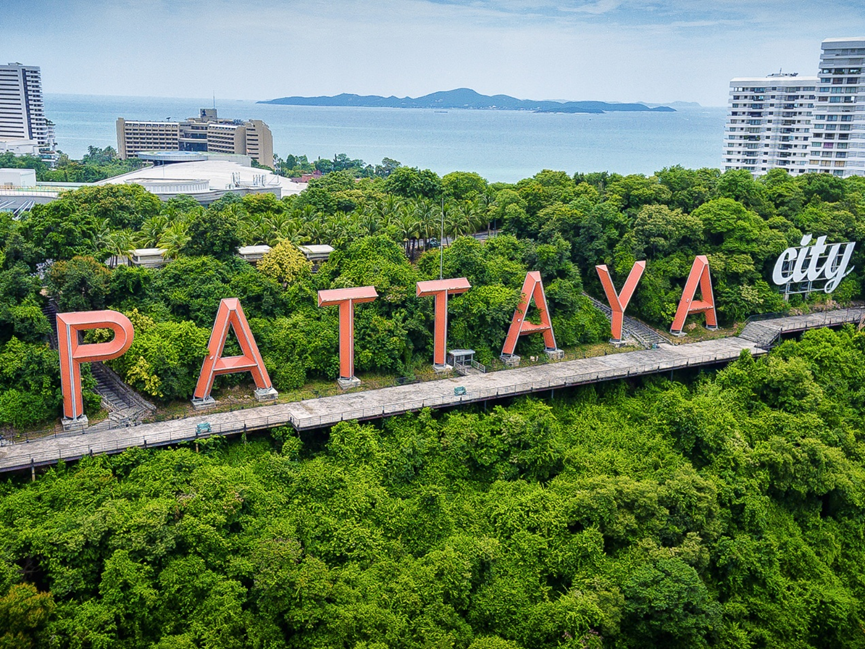
普吉岛的气质介于两者之间,它的自然环境几乎是泰国海岛里的天花板。海滩、山路、海湾的景色非常治愈,慢慢走一圈都能让人忘记城市压力。
Phuket sits somewhere in between. Its natural scenery is top-tier among Thai islands—the beaches, mountain roads, and bays are genuinely healing, and a slow walk can make you forget urban stress.
然而旺季时外食和住宿都不算便宜,单靠摩托车和打车的出行方式也让生活很受天气左右。晴天是蓝天白云的画报,雨季则可能一整个下午都被暴雨堵在原地。
However, during peak season, eating out and accommodation aren’t cheap, and daily transport—mostly motorbikes and ride-hailing—is heavily dependent on the weather. On sunny days, it’s picture-perfect; during the rainy season, you might be stuck in place all afternoon.
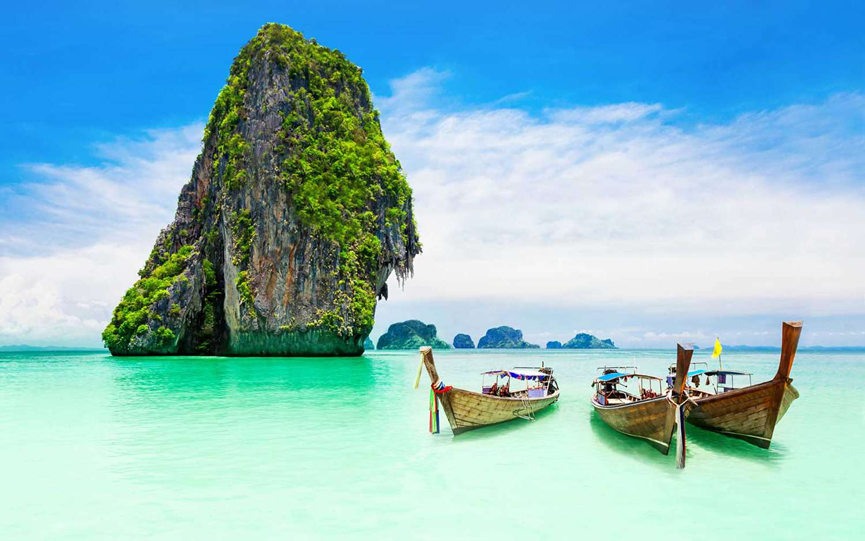
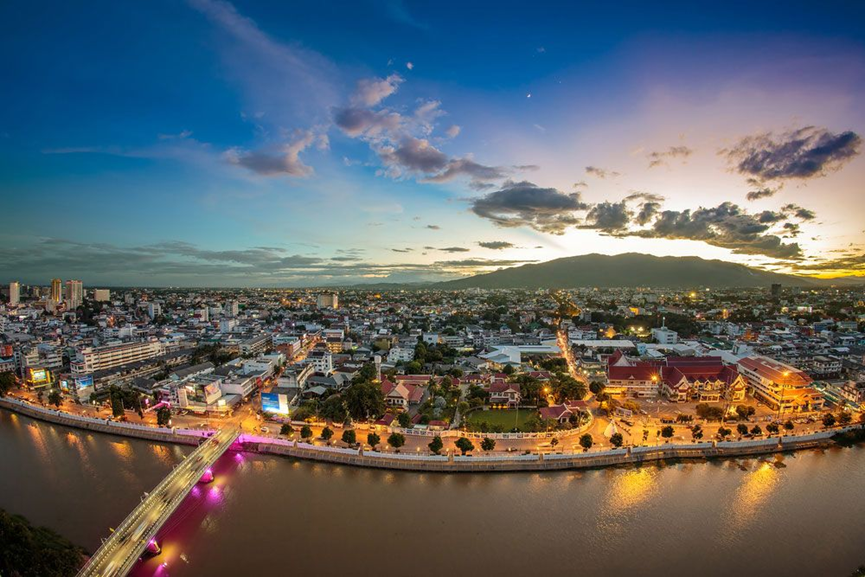
最后是清迈,一到这里,整个人都会慢下来。街边的独立咖啡馆、慢节奏社区、手作市集让城市处处有生活感。房租压力轻,外食便宜,山景近在眼前,很多数字游民在这待上几个月就舍不得走。
Finally, Chiang Mai—the moment you arrive, your entire pace slows down. Independent cafés, slow-living neighborhoods, and craft markets give the city a strong sense of life. Rent is low, food is cheap, and the mountains are close, making many digital nomads reluctant to leave after staying for months.
不过因为城市本身不大,人群聚集在几个主要区域,熟悉之后会有一种“大家都认识大家”的浓缩感。如果你习惯大城市的刺激或变化,清迈可能会让你有点“太安静、太松”。
But because the city isn’t big, people gather in just a few main areas, creating a “small community, everyone knows everyone” feeling. If you thrive on big-city stimulation or variety, Chiang Mai might feel “too quiet, too relaxed.”
◆ ◆ ◆ ◆
吉隆坡与槟城:稳定、松弛又容易上手
Kuala Lumpur & Penang: Stable, Relaxed, and Easy to Settle Into
◆ ◆ ◆ ◆
如果说泰国的城市是“各有个性”,那马来西亚的城市更像“同一种调性,不同程度的舒适”。
If Thai cities each have distinct personalities, Malaysian cities feel like variations of the same calm, comfortable tone.
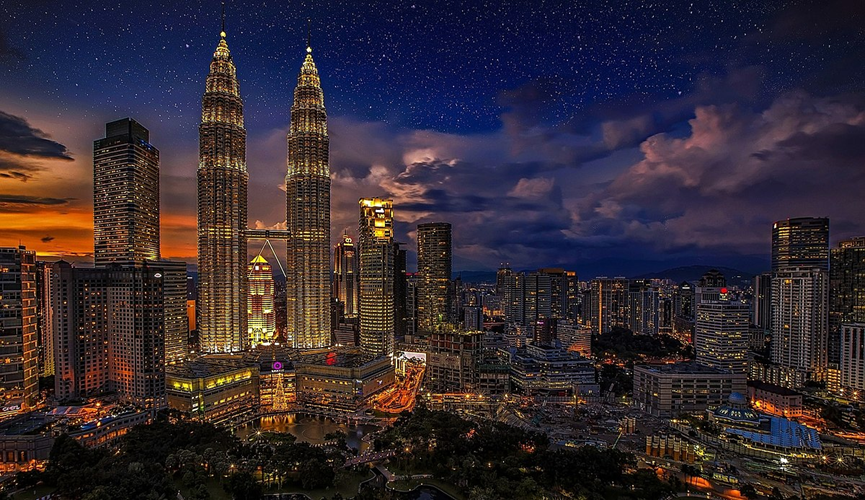
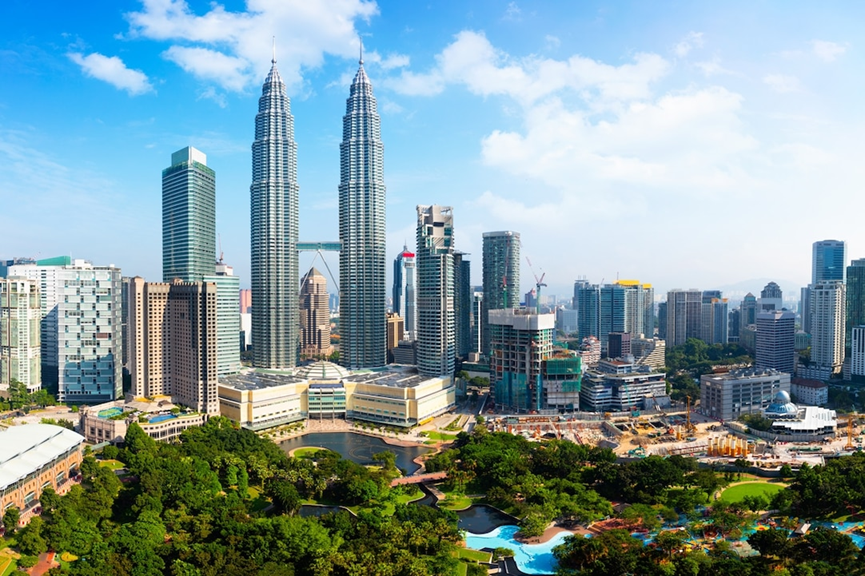
在吉隆坡生活,最直接的体验就是:上手难度很低。城市本身现代化程度高,地铁、商场、超市、诊所分布清晰,像从国内一线城市换到一个节奏更温和的版本。吃饭也完全不用担心,马来、印度、中式、日韩料理随处可见,口味温和、不重油不重辣,对第一次出国长期居住的人特别友好。
Living in Kuala Lumpur is straightforward—the city is highly modernized, with clear metro lines, malls, supermarkets, and clinics. It feels like moving from a first-tier Chinese city to a slower, gentler version. Food is never a problem: Malay, Indian, Chinese, Japanese, and Korean cuisine are everywhere, with mild flavors that are easy on newcomers.
租房更是吉隆坡的优势,同样的预算,你能住到面积更大、带泳池和健身房的公寓,生活成本稳定,不容易被价格波动牵着走。
Housing is KL’s big advantage—on the same budget, you get a larger unit, often with a pool and gym. Living costs are stable and less affected by sudden price changes.
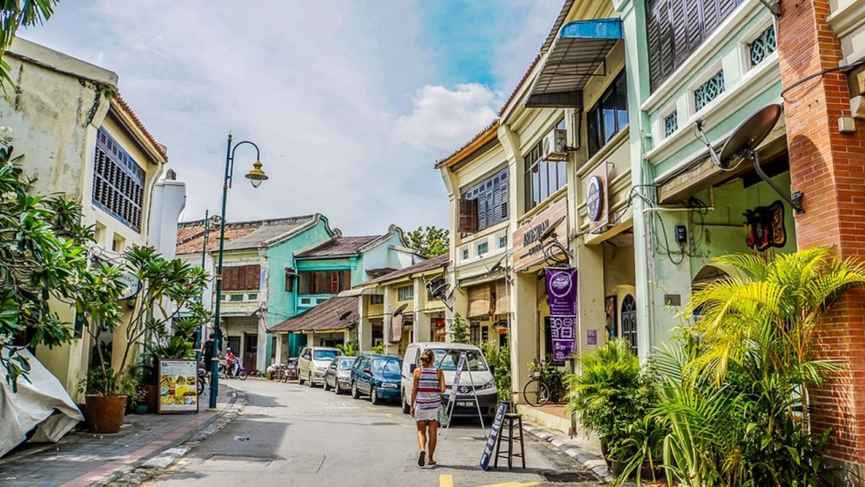
而槟城,则是另一种生活味道。虽然没有吉隆坡那么“城市化”,但文化气息更浓。街道上有传统老屋、清真寺、庙宇、咖啡店混合的独特氛围,走几步就能闻到小吃摊的味道,美食密度可以说是整个马来西亚最有名的。节奏慢,却不无聊;生活简单,却有温度。
Penang has a different charm. Less urbanized than KL, it has a strong cultural vibe—traditional shophouses, mosques, temples, and cafés all mixed together. The smell of street food fills the air, and Penang is known nationwide for its culinary density. The pace is slow but never boring; simple yet warm.
海景房的性价比也比吉隆坡更高,如果你喜欢散步、喜欢安静、有一点文化探索的乐趣,槟城的舒适会是“潜移默化”的那种——住久了才感觉到的舒服。
Seaview apartments are more affordable than KL, and if you enjoy walking, quiet neighborhoods, and a bit of cultural exploration, Penang’s comfort is subtle—it grows on you over time.
整体来说,马来西亚的生活像是“无痛切换”:语言沟通轻松、吃得惯、住得稳、节奏和煦,不会让你产生很强的生活落差。和泰国相比,它没有那么强烈的城市对比,但各方面都更平均、更稳定,更像是一个可以长期建立日常的地方。
Overall, living in Malaysia feels like a “painless transition”: the language barrier is low, food is familiar, housing is comfortable, and the pace is gentle—nothing feels drastically out of place. Compared with Thailand, the contrasts aren’t as sharp, but everything is more balanced and stable—perfect for establishing a long-term routine.
◆ ◆ ◆ ◆
泰马大对比:吃住行差在这里
Thailand vs. Malaysia: The Real Differences in Eating, Housing, and Transport
◆ ◆ ◆ ◆
真正住下来你会发现,泰国和马来西亚的差别,不是“好不好”,而是“适不适合你的生活习惯”。
Once you actually live in both places, you’ll find the differences aren’t about which is better, but which fits your lifestyle.
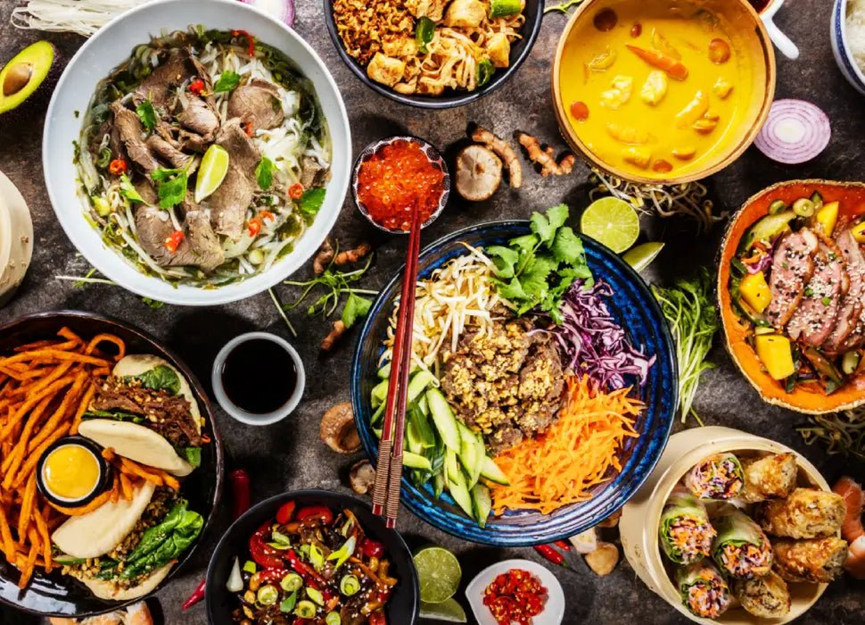
先说吃。泰国的外食选择极多,本地菜味道更浓更爽,喜欢酸辣的人基本一试就爱上;但如果你偏向清淡、或者想长期保持稳定的饮食节奏,马来西亚会更温和些,尤其吉隆坡,随便走一圈就能找到华人餐厅、印度餐、马来菜,适口性更强,也更容易形成“固定吃法”。
Food Thailand offers endless dining options—local dishes are bold and flavorful, perfect for fans of spicy, sour, or strong tastes. Malaysia, especially KL, is milder and more consistent. You can find Chinese, Indian, and Malay restaurants everywhere, making it easier to form a “regular eating pattern.”
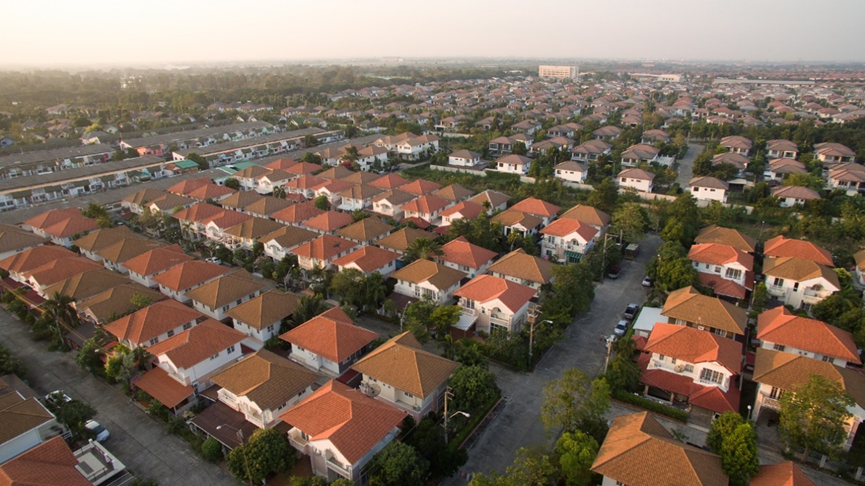
住的部分,两国的差距也挺明显。泰国的公寓配套很齐全,短租选择多,适合灵活、喜欢换地方住的人;但马来西亚的房子整体面积更大,价格稳定,生活设施更现代化,同样预算能换来更宽敞的居住感。如果你想把一个城市当成“长期落脚点”,马来西亚的住宿体验更接近国内的舒适感。
Housing Thailand has great amenities and plenty of short-term rentals—good for flexible living or frequently changing neighborhoods. Malaysia, however, offers larger spaces, more modern buildings, and more stable prices—better for long-term settling.
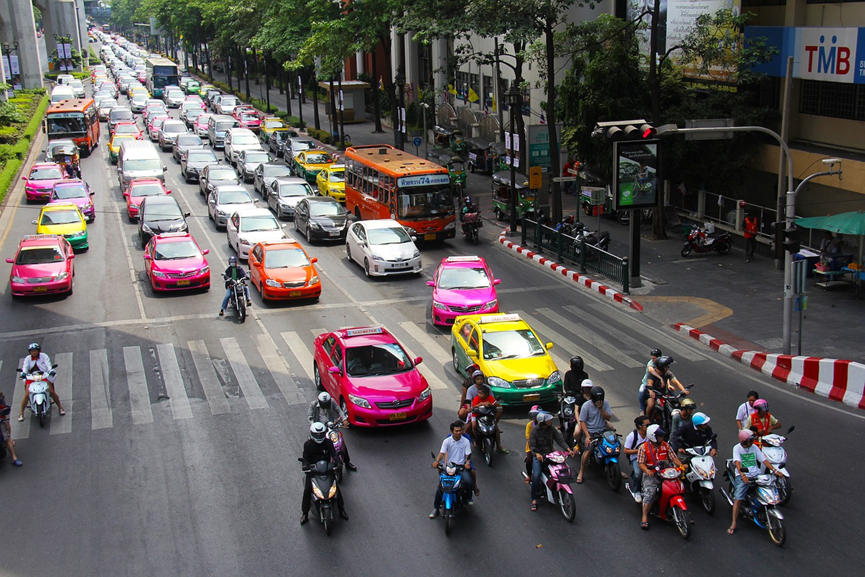
交通方面,两国也有不同的节奏。泰国城市之间风格差距大:曼谷地铁方便但堵车多,清迈和普吉更多依赖摩托和打车,体验更“看天气”;而马来西亚的交通体系更偏规则化,吉隆坡地铁覆盖主要区域,电召车价格稳定,整体移动成本更可控。槟城虽然节奏慢,但市区范围不大,出行压力也不会太高。
Transportation Thailand’s cities vary dramatically: Bangkok’s metro is convenient but traffic is notorious; Chiang Mai and Phuket rely heavily on motorbikes and ride-hailing, making daily travel weather-dependent. Malaysia’s transport is more systematic—KL’s metro covers major areas and ride-hailing is affordable and predictable. Penang is slow-paced, but its small size keeps travel manageable.
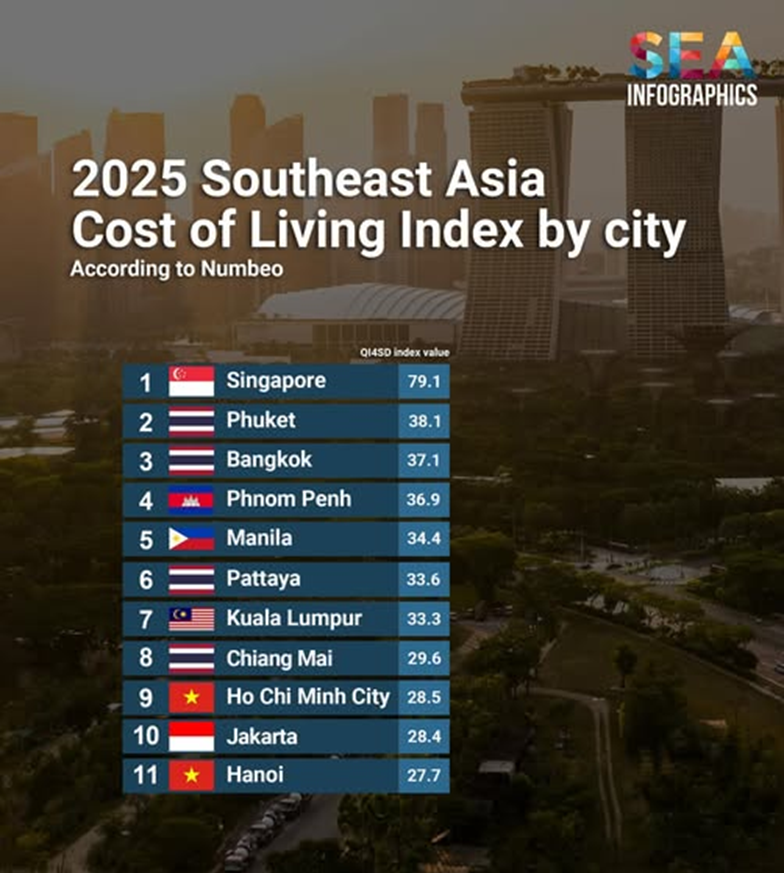
生活成本也是大家最关心的一项。泰国消费浮动范围更大,你可以吃得很便宜,也可以活得很精致;马来西亚相对更稳,外食和酒类偏贵,但买菜做饭便宜,整体预算好掌控。很多旅居者最后的选择,往往不是因为“哪国更便宜”,而是“哪国的生活节奏更符合我”。
Cost of Living Thailand varies widely—you can live very cheaply or very luxuriously. Malaysia is more stable. Eating out and alcohol are pricier, but groceries are cheap and budgets are easier to manage. Ultimately, people don’t choose based on “which country is cheaper,” but “which lifestyle matches me better.”

◆ ◆ ◆ ◆
不同人适合住哪?一张表说清
Who Should Live Where? A Simple Guide
◆ ◆ ◆ ◆
真正要选在哪个城市待久一点,其实不是比谁更强,而是比谁更贴近你的生活需求。泰国的城市层次丰富,你能在曼谷找到精彩与便利,也能在清迈享受慢节奏;普吉岛适合热爱海岛、喜欢户外的人,而芭提雅更接近“想把假期拉长”的那种轻松感。如果你需要灵活、多变化、喜欢被新鲜感推动,泰国的城市组合能给你很多选择。
Choosing a city isn’t about who wins—it’s about who fits your needs. Thailand offers variety:
•Bangkok for excitement and convenience
•Chiang Mai for slow living
•Phuket for nature lovers
•Pattaya for those who want an extended-holiday lifestyle
If you love flexibility, surprises, and changing environments, Thailand gives you more options.
马来西亚适合的则是另一种人。吉隆坡很适合作为第一次旅居的落点:语言沟通轻松、饮食友好、生活体系稳定,你能很快进入“日常模式”;而槟城适合喜欢文化、喜欢散步、喜欢节奏慢一点的人。即便是长住,生活不会有太大压力,也不用担心因为环境变化太多而重新适应。
Malaysia suits people who prefer stability:
•Kuala Lumpur is perfect for first-time long stays—easy communication, friendly food culture, and a reliable living system.
•Penang fits those who enjoy culture, walking, and a slower pace.
Even long-term living feels manageable and low-pressure.
如果把两国放进同一张“选择表”里,你会发现:
•喜欢多样性、接受城市节奏起伏、想要体验感的——多半喜欢泰国。
•希望稳定、重视沟通便利和居住舒适度的——往往觉得马来容易久住。
没有好坏,只有契合度。不同的生活阶段,也可能对应不同的城市组合。
In a simple comparison:
•If you love diversity, change, and excitement → You’ll likely prefer Thailand.
•If you value stability, convenience, and living comfort → Malaysia is easier to stay long-term.
There’s no good or bad—only compatibility. Different life stages might match different cities.
◆ ◆ ◆ ◆
旅居三件事:便宜、惯性与心态
Three Things That Truly Matter When Living Abroad: Cost, Habit, and Mindset
◆ ◆ ◆ ◆
住过一圈之后你会发现,旅居的决定从来不是被某个城市“惊艳”到,而是被日常一点点说服的。很多人出发前把重点放在“会不会更便宜”,但真正让人留下来的,从来是这个地方能不能让你每天过得顺。饮食习惯、对语言的适应程度、通勤是否轻松、环境是不是舒服,这些比账单更能决定你有没有动力继续住下去。
After living around Southeast Asia, you’ll realize: the decision is rarely made because a city “wow’d” you—it’s shaped by daily life. Many people focus on “is it cheaper?” but what actually keeps them staying is: Can you eat comfortably? Is the language manageable? Is commuting easy? Is the environment pleasant? These matter more than the bills.
第二件事,是生活惯性的力量。旅行时觉得舒适的东西,放到长期生活里不一定适用;相反,有些看起来普通的城市,反而能让你把节奏稳定下来。泰国的精彩、马来的平稳,各有魅力,但是否适合你,需要你亲自试一段才能判断。
Second is habit. What feels great for travel doesn’t always work for long-term living; and some ordinary-looking cities help you build a stable rhythm. Thailand’s excitement and Malaysia’s steadiness both have their charm, but only you can decide which one matches your habits.
最后,是心态。语言不熟,确实会带来一些小麻烦,但不会影响你获得快乐;适应陌生环境需要一点勇气,但换来的往往是新的生活视角。旅居这件事,没有标准答案,也没有统一路径。找到一个让你安心、让你愿意每天起床面对的地方,就是最好的选择。
Finally, mindset. Language barriers cause small inconveniences, but they rarely block happiness. Adapting to a new environment takes courage, but it brings new perspectives. There is no standard answer or universal path. The best place is simply the one that makes you feel safe, grounded, and willing to wake up every day.

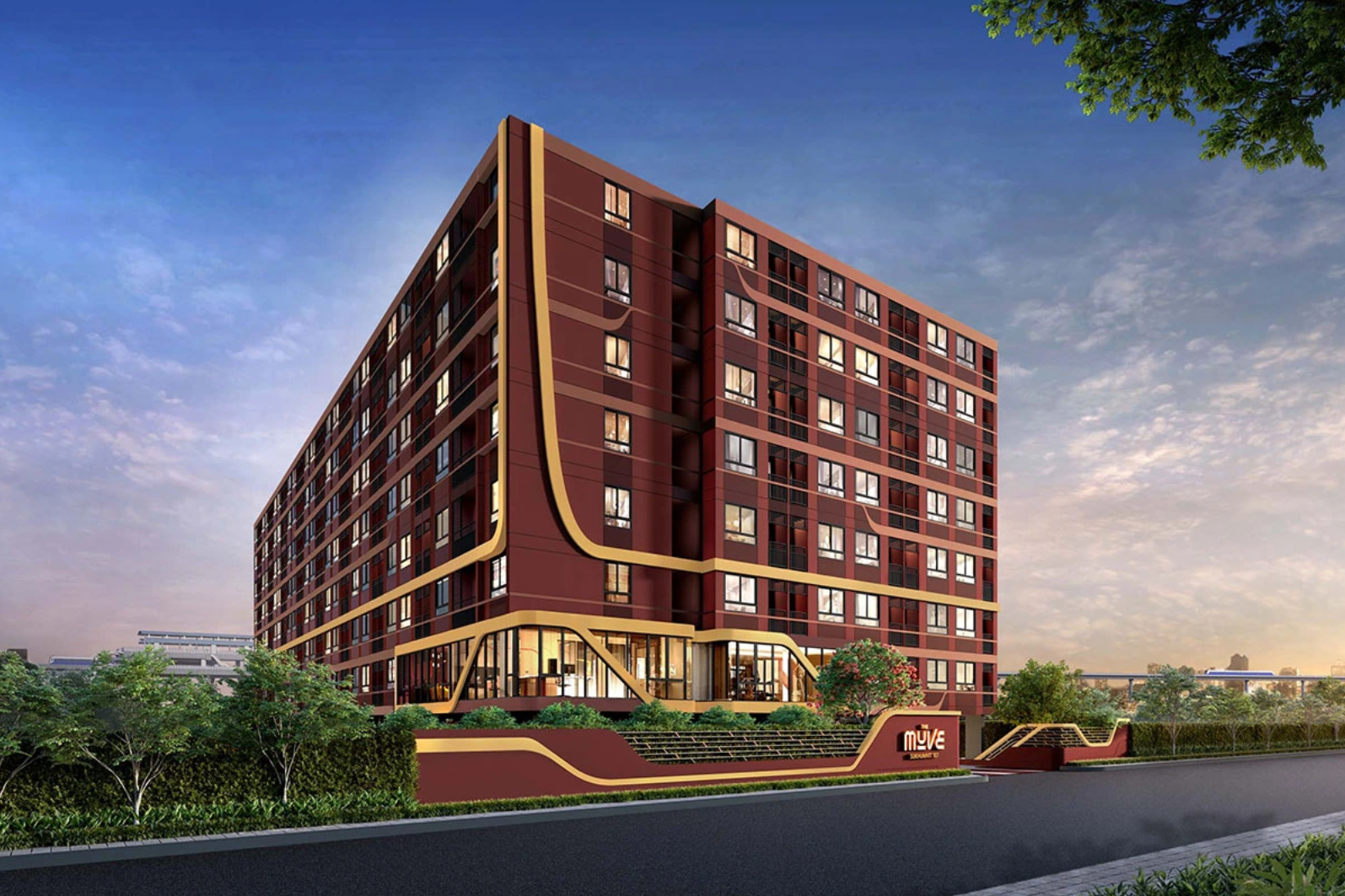
 泰国 · 曼谷
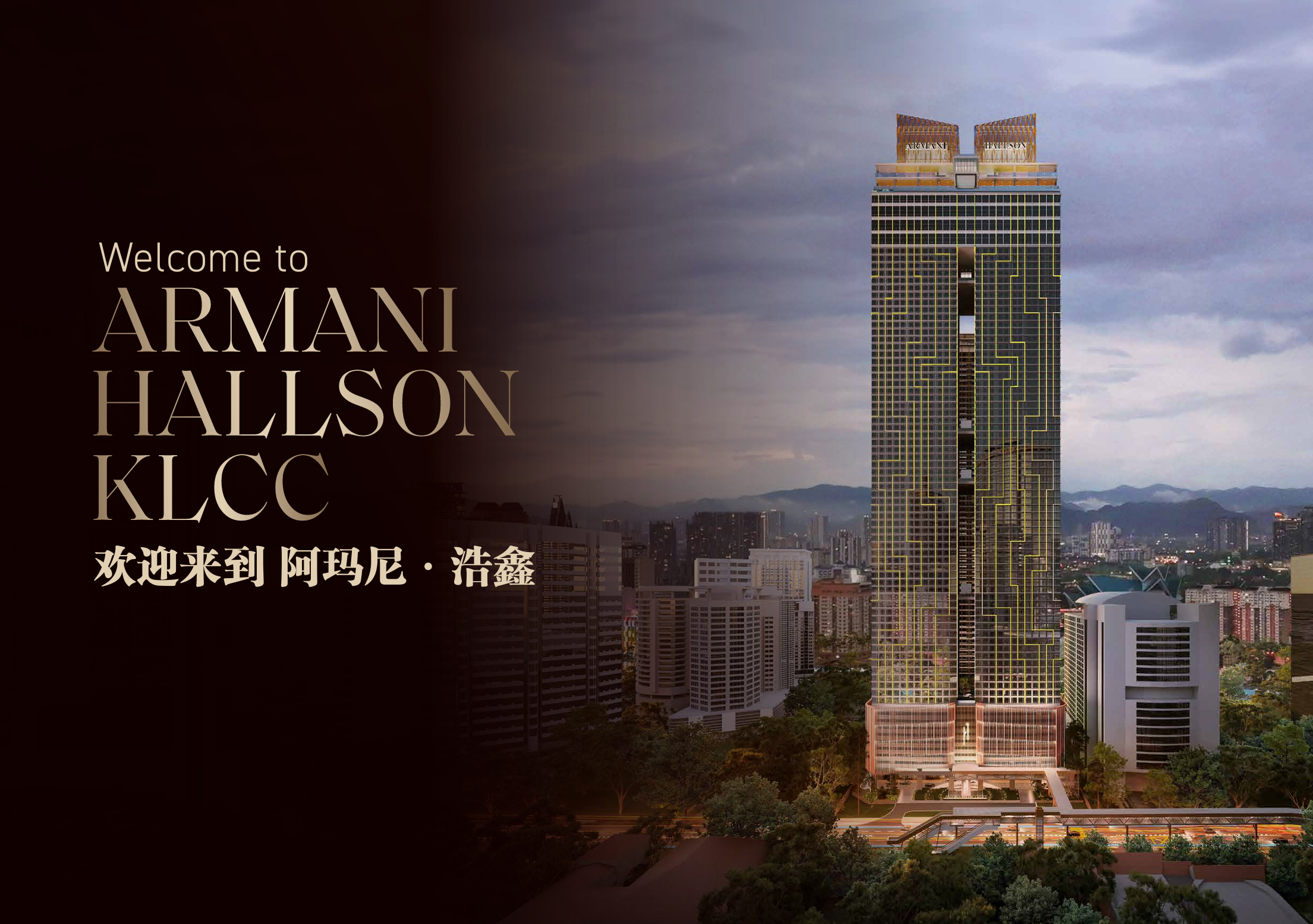 马来西亚 · 吉隆坡
 泰国 · 曼谷
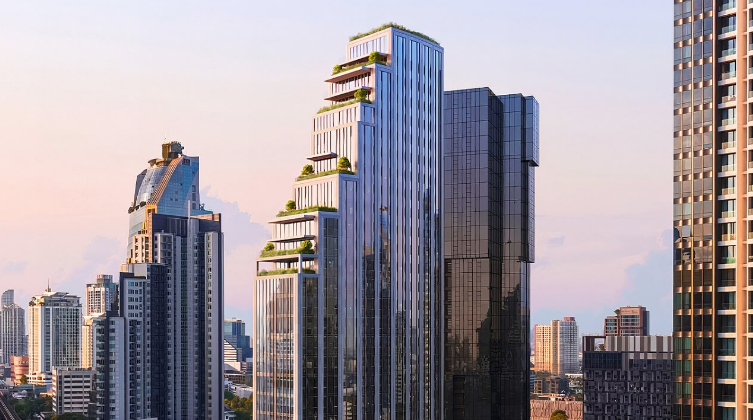 泰国 · 曼谷