海南封关 + 泰国EEC:亚洲供应链,开始绕开新加坡了
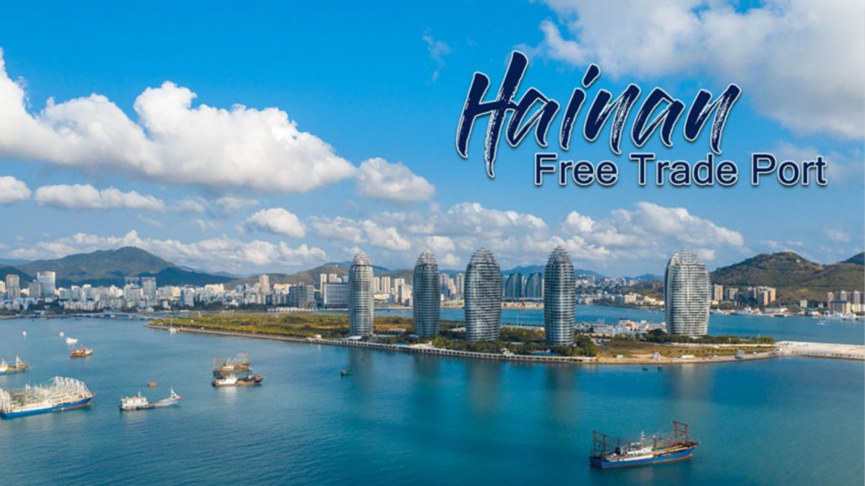
很多人最近在讨论海南封关。
Recently, many people have been discussing the customs closure of Hainan.
零关税、自由贸易港、独立关税区——听上去,像是海南自己的政策红利。
Zero tariffs, a free trade port, an independent customs territory — all of this sounds like policy dividends unique to Hainan itself.
但如果你把视角从中国地图,拉到整个亚洲,会发现一个被很多人忽略的事实:海南封关,真正受到冲击的,不在国内,而在新加坡。
But if you shift your perspective from China’s map to the broader landscape of Asia, you’ll notice a fact that many people have overlooked: the real impact of Hainan’s customs closure is not domestic — it is on Singapore.
◆ ◆ ◆ ◆
海南封关,本质上是在“抢谁的饭碗”?
Who Is Hainan Really Competing With?
◆ ◆ ◆ ◆
过去二三十年,新加坡靠什么吃饭?
Over the past two or three decades, what has Singapore lived on?
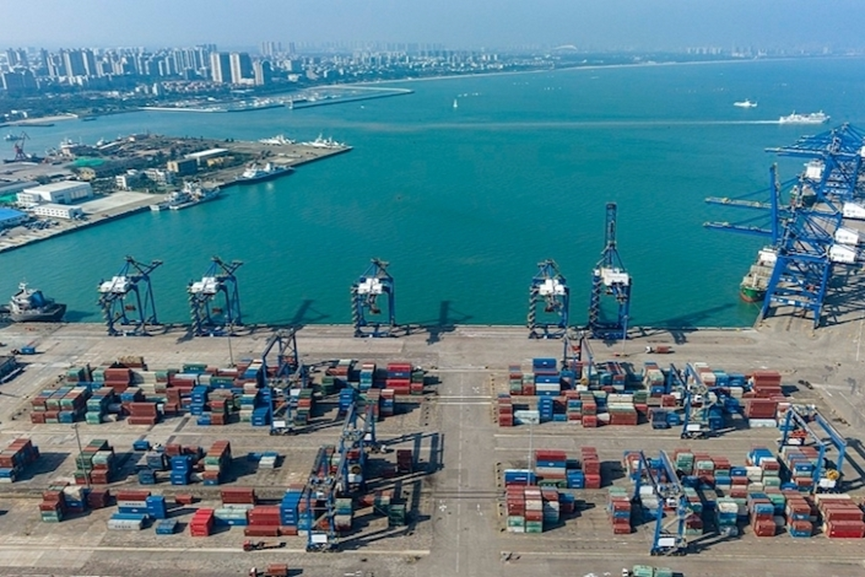
不是制造业,不是人口红利,而是三个字:转、结、算。转口贸易;离岸加工;金融与贸易结算。
Not manufacturing. Not demographic dividends. But three words: Entrepôt trade; Offshore processing; Financial and trade settlement
亚洲大量“货不落地、钱先走账”的生意,本来就绕不开新加坡。
A large portion of Asian trade — where goods never physically land and money moves ahead of cargo — has long been inseparable from Singapore.
而海南封关的真正含义是:中国第一次在自己家门口,搭建一个可以承接这套玩法的制度型平台。
The real meaning of Hainan’s customs closure is that China is, for the first time, building a system-level platform at its own doorstep that can take over this playbook.
不靠港口垄断,不靠航道位置,而是靠政策、税制和规则。
Not through port monopolies or geographic choke points, but through policy, tax regimes, and regulatory rules.
这不是“海南要发展”,这是在重新分配亚洲贸易体系里的角色分工。
This is not simply about “developing Hainan.” It is about redistributing roles within the Asian trade system.
◆ ◆ ◆ ◆
新加坡真正危险的,不止海南封关这一件事
Singapore’s Real Challenge Is Not Just Hainan
◆ ◆ ◆ ◆
如果只是海南,新加坡还能慢慢消化。
If Hainan were the only factor, Singapore might still be able to digest the impact over time.
但现实是——新加坡正在同时承受“两条战线”的压力。
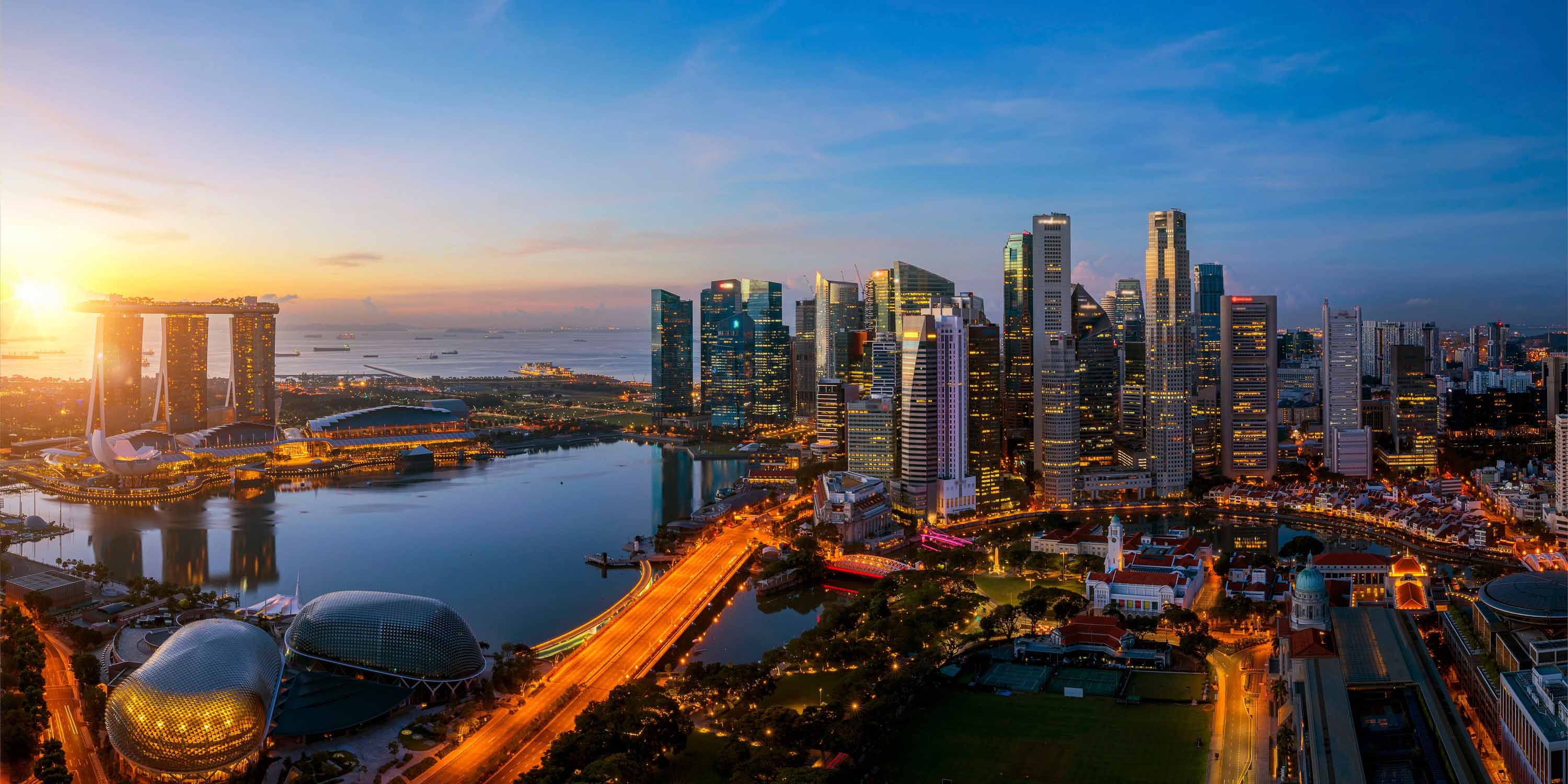
But the reality is that Singapore is facing pressure on two fronts simultaneously.
第一条:路线层面的变化
First front: changes in trade routes
越来越多亚洲制造和贸易,不再愿意把所有筹码压在马六甲。
More and more Asian manufacturing and trade players are unwilling to place all their bets on the Strait of Malacca.
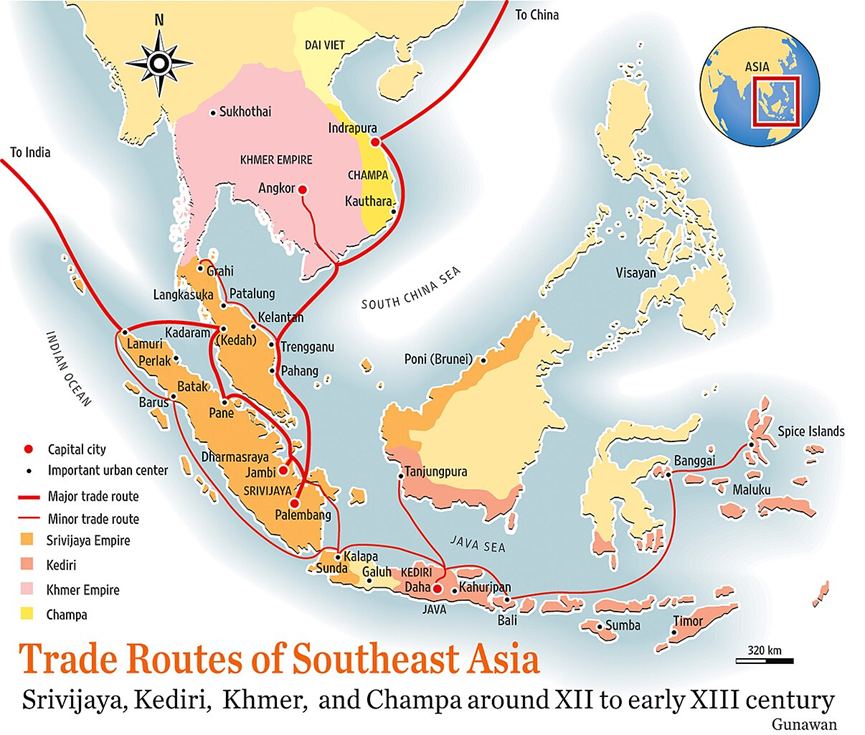
中泰铁路、泰国陆桥、区域内多路径物流,都在削弱“必须经过新加坡”的唯一性。
The China–Thailand railway, Thailand’s land bridge projects, and diversified regional logistics routes are all weakening the “must-pass-through-Singapore” model.
以前是:不走马六甲,生意就走不通。
In the past: No Malacca, no trade.
现在变成了:不走马六甲,也能走。
Now: No Malacca — trade can still move.
这对一个靠“过路权”吃饭的城市来说,本身就是致命变化。
For a city-state that feeds on transit rights, this shift is fundamentally destabilizing.

第二条:制度层面的替代
Second front: institutional substitution
海南封关带来的,是更深层的变化。
Hainan’s customs closure brings an even deeper change.
不是抢航道,而是抢——谁来定义贸易规则、结算路径和税务身份。
It is not about competing for shipping lanes, but about competing over who defines trade rules, settlement pathways, and tax identities.
当企业可以在海南完成加工、申报、结算,新加坡最核心的优势——“亚洲贸易中枢”开始出现可替代选项。
When companies can complete processing, declarations, and settlements in Hainan, Singapore’s core advantage as “Asia’s trade hub” begins to face viable alternatives.
这才是新加坡真正难受的地方。
That is what truly makes Singapore uncomfortable.

但这里需要说清楚一件事:新加坡被削弱,并不意味着所有产业都会流向同一个地方。
However, one thing must be clarified: Singapore’s weakening does not mean all industries will flow to a single destination.
恰恰相反,当单一枢纽失去“唯一性”,供应链往往会进入一个更精细的分工阶段。海南封关,确实具备承接能力。
On the contrary, when a single hub loses its exclusivity, supply chains tend to move toward more refined specialization. Hainan does have strong capacity to absorb part of this shift.
它更像是一个面向中国市场的制度型枢纽——适合做加工、分拨、结算,再回流或辐射中国大陆。
It functions more like a China-facing, system-based hub — suitable for processing, distribution, settlement, and then re-entering or radiating into mainland China.
而另一条路径,则指向了完全不同的方向。
But another path is pointing in a completely different direction.
当越来越多中资企业不再只是“把货卖出去”,而是开始把工厂、产线、供应链和团队真正放在海外,它们需要的,就不只是政策空间,而是一个长期落脚点。
As more Chinese enterprises move beyond merely “selling goods abroad” to actually placing factories, production lines, supply chains, and teams overseas, their needs shift.
这时候,问题从“在哪里走账”,变成了——在哪里建厂、在哪里常驻、在哪里把人留下来。
The question is no longer “where to route transactions,” but: Where to build factories;Where to establish long-term operations;Where people can truly stay
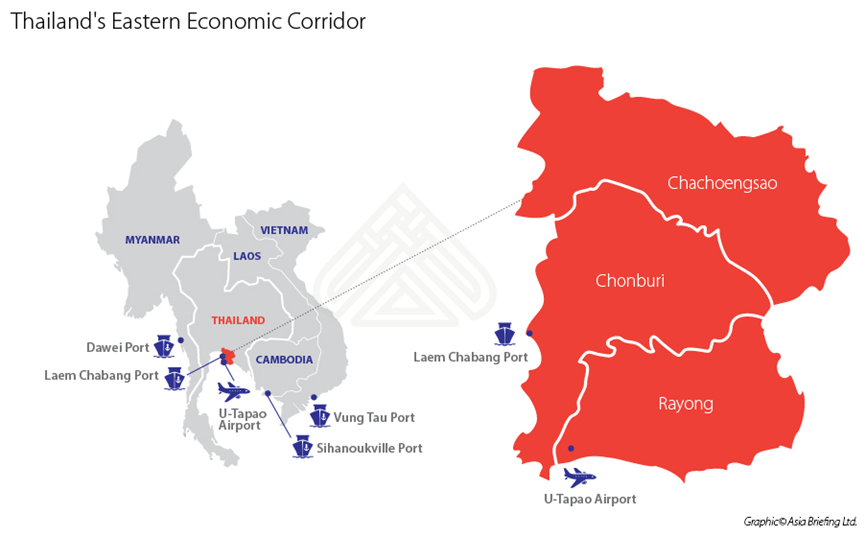
也正是在这套逻辑下,泰国的东部经济走廊(EEC),开始成为另一种被反复选择的答案。
Within this logic, Thailand’s Eastern Economic Corridor (EEC) has repeatedly emerged as another preferred answer.
◆ ◆ ◆ ◆
产业和人,会往哪儿走?
Where Will Industry and People Go?
◆ ◆ ◆ ◆
宏观格局变化,最后一定会落到两个问题上:工厂去哪?人住哪?
All macro shifts eventually come down to two questions: Where do the factories go? Where do people live?
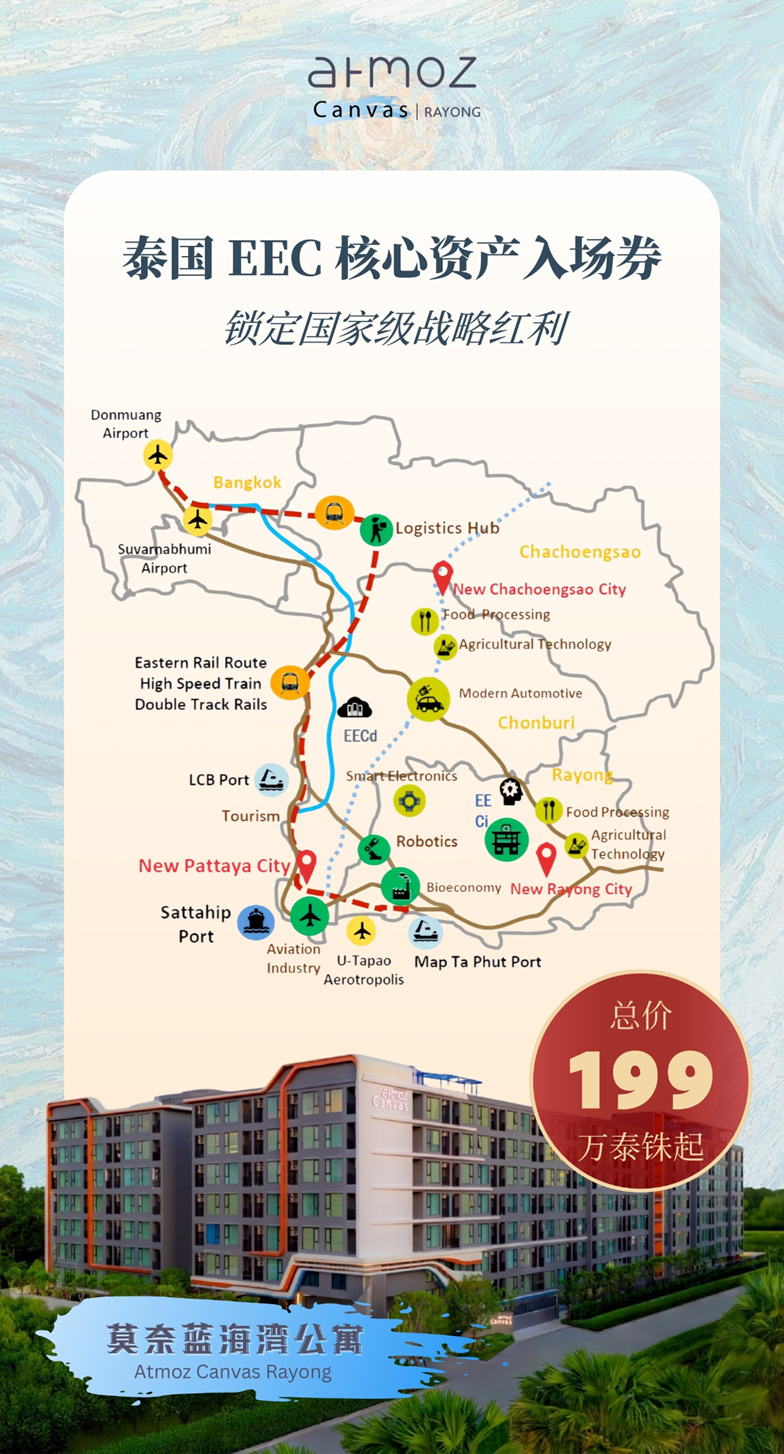
如果你这两年关注东南亚制造,会发现一个非常明确的趋势——泰国,尤其是东部经济走廊(EEC),正在承接最真实的那一部分。
If you have followed Southeast Asian manufacturing in recent years, one trend is very clear:Thailand — especially the EEC — is absorbing the most tangible portion of this transition.
不是文件里的规划,而是:工厂已经建好;产线已经投产;人已经进场。
Not plans on paper, but reality on the ground: Factories have already been built;Production lines are already running;People have already arrived
比亚迪、长城、长安,不是“准备来”,而是已经在罗勇开工、招人、生产。
BYD, Great Wall Motors, and Changan are not “planning” to enter — they are already operating, recruiting, and producing in Rayong.
制造业不会靠情绪做决定,它只跟三件事有关:成本、稳定性、可复制性。
Manufacturing does not make decisions based on sentiment. It only cares about three things: Cost. Stability. Replicability.
而EEC,刚好全占。
The EEC checks all three boxes.
◆ ◆ ◆ ◆
当工厂落地,最先紧张的是“住的地方”
When Factories Settle In, Housing Becomes the First Bottleneck
◆ ◆ ◆ ◆
很多人看产业升级,只盯着工厂和投资额。
Many people look at industrial upgrading and focus only on factories and investment figures.
但真正的变化,往往先发生在一个更生活化的问题上:这些人,住哪?
But the earliest and most tangible changes often appear in a far more everyday question: Where do these people live?
罗勇这几年,变化非常明显。中资企业越来越多;外派管理层、工程师、技术骨干长期驻扎;不再是“来几个月就走”的状态。
Rayong has changed noticeably in recent years: A growing number of Chinese enterprises;Expat managers, engineers, and technical staff stationed long-term;Fewer short-term assignments, more permanent presence
但现实是——工业园周边长期缺少匹配他们身份和生活需求的住宅产品。
Yet the reality is that areas around industrial parks have long lacked residential products that match their identity and lifestyle needs.
于是你会看到一个很有意思的现象:最先被看上的,不是景区房,也不是度假盘,而是“产业人口能长期住的地方”。
As a result, an interesting phenomenon has emerged:
The first properties to attract attention are not resort homes or vacation condos, but residences suitable for long-term living by industrial professionals.

◆ ◆ ◆ ◆
罗勇,正在从“工业城市”变成“生活城市”
Rayong Is Transforming from an Industrial City into a Livable City
◆ ◆ ◆ ◆
如果说曼谷是金融与消费中心,那罗勇正在承担的角色,更像是:制造业升级后的“真实生活承载地”。
If Bangkok is a center of finance and consumption, Rayong is increasingly taking on a different role: a real-life anchor city for manufacturing upgrades.
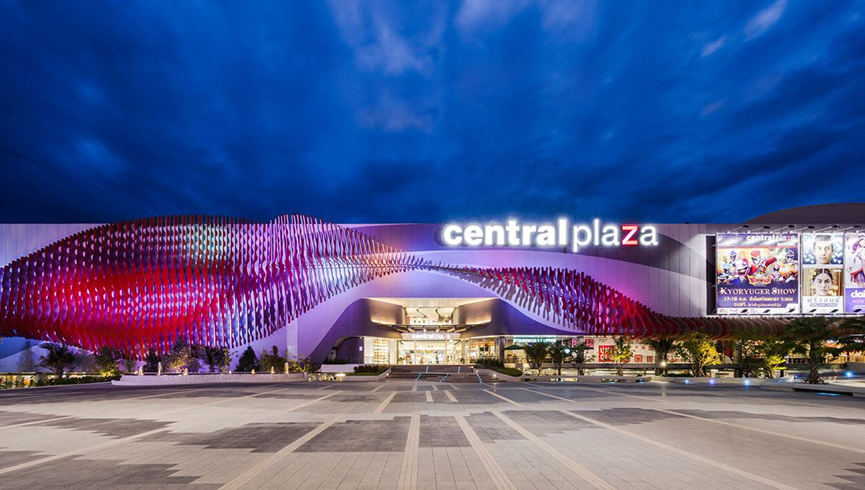
这也是为什么,罗勇市中心、靠近尚泰百货、通勤工业园15分钟内、低密度、有完整生活配套的项目,开始被反复提及、反复对比。
This explains why projects located in Rayong’s city center — near Central Mall, within a 15-minute commute to industrial parks, low-density, and with complete living amenities — are being repeatedly discussed and compared.
因为它解决的不是“投资故事”,而是一个非常现实的问题:当产业留下来,人也要留下来。
Because they are not solving an “investment narrative,” but a very practical problem: When industry stays, people must stay too.
而这,往往才是一座城市长期价值的起点。
And that is often the true starting point of a city’s long-term value.
◆ ◆ ◆ ◆
真正的分水岭,不在政策出台那一刻
The Real Turning Point Is Never the Policy Announcement
◆ ◆ ◆ ◆
海南封关、泰国EEC、新加坡承压——这些听起来像是宏观话题。
Hainan’s customs closure, Thailand’s EEC, Singapore under pressure — these all sound like macro topics.
但所有宏观变化,最后都会落实到:哪些城市有人;哪些地方有长期需求;哪些资产,还没被完全定价。
But every macro shift ultimately manifests in: Which cities attract people;Which places generate sustained demand;Which assets have not yet been fully priced in
历史上,很多机会都不是在“大家都看懂”的那一刻出现的。而是在:你隐约感觉到方向对了,但身边还没多少人讨论的时候。
Historically, many opportunities did not emerge when “everyone fully understood” the story, but rather when the direction felt right — while few were still talking about it.
海南封关只是一个信号。真正值得关注的,是信号之后,人和产业正在用脚投票的方向。
Hainan’s customs closure is only a signal. What truly deserves attention is where people and industries are voting with their feet after that signal.
而罗勇,显然已经在那张地图上了。
And Rayong is clearly already on that map.


 泰国 · 曼谷
 马来西亚 · 吉隆坡
 泰国 · 曼谷
 泰国 · 曼谷