在国内绷太久了,中国家庭为什么选择在马来西亚慢下来
很多中国家庭真正开始动念,并不是因为向往海外生活,而是在某一天忽然发现,自己已经很久没有停下来想过“过得好不好”这件事了。工作一件接一件,孩子的安排排得比日程表还满,每天都在解决问题,却很少有人问一句:这样的节奏,要持续到什么时候。
For many Chinese families, the idea of moving abroad didn’t begin with a dream of life overseas. It often started with a quieter, more personal realization: it had been far too long since they last paused to ask themselves, “Am I truly living well?” Work tasks piled up endlessly, children’s schedules overflowed, and each day became a cycle of solving problems. But rarely did anyone stop to ask: How long can we keep going like this?
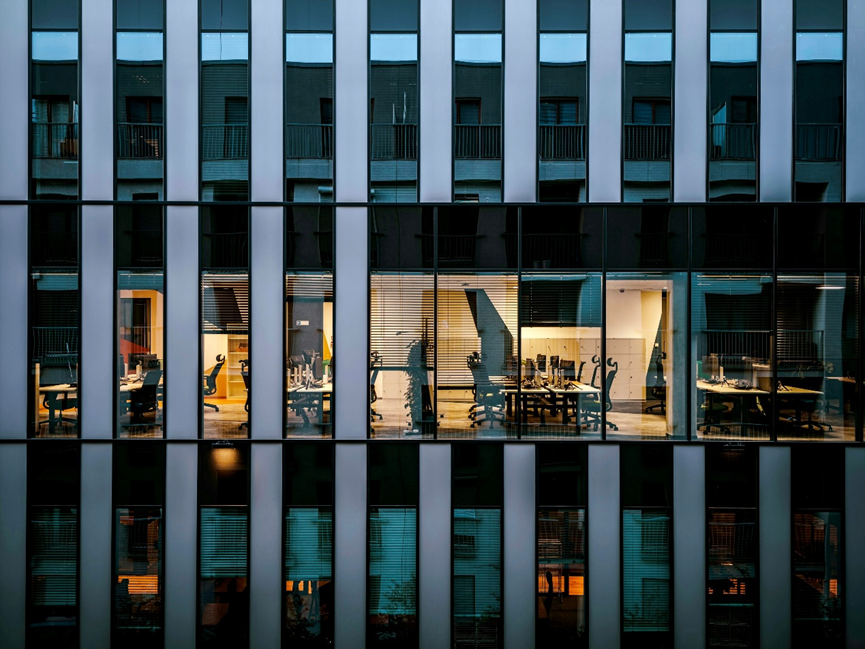
最明显的变化不是加班变多了,而是人变得迟钝了——情绪没空消化,身体的疲惫也只能硬扛,连周末都像是在给下周“预热”。正是在这种长期紧绷却习以为常的状态里,越来越多家庭开始意识到:也许不是自己不够努力,而是这套生活方式,本身就没有打算让人轻松。
The most telling shift wasn’t longer hours at the office—it was how people had become emotionally and physically dulled. There was no time to process feelings, no space to recover. Even weekends felt like prep for Monday. And in this chronic, normalized tension, more families began to see: maybe the problem isn’t that we’re not working hard enough—maybe the life we’re living was never meant to be gentle in the first place.

◆ ◆ ◆ ◆
考察的人多了
From Curiosity to Consideration
◆ ◆ ◆ ◆
真正让马来西亚频繁被提起,是在越来越多家庭开始“先去看看”的时候。免签开放之后,飞一趟吉隆坡变得不再复杂,有人趁年假,有人干脆周末往返,只想亲眼确认一下:这里到底是不是传说中那么松弛。
Malaysia began entering conversations more often—not as a destination to escape to, but as a place worth looking into. The visa-free policy made flying to Kuala Lumpur much simpler. Some went during annual leave; others squeezed in weekend visits. They just wanted to see for themselves: Is life here really as relaxed as people say?

很多人并没有抱着立刻搬走的打算,更像是在给自己一个出口的可能。街道是否拥挤、办事是否顺畅、人与人说话的语气是不是总带着催促,这些细节比景点更重要。短短几天里,有人第一次意识到,原来生活可以不用一直赶时间,也正是在这样的反差里,马来西亚从“听说过”慢慢变成了“值得认真考虑”。
Most weren’t planning an immediate move. It was about opening a window—an “if needed” exit. Things like traffic, how easily errands get done, whether conversations feel rushed—these subtle cues mattered more than scenery. And in just a few days, many found themselves thinking: life doesn’t have to be lived at full speed. That contrast slowly turned Malaysia from hearsay into a serious consideration.

◆ ◆ ◆ ◆
签证是底气
Visas That Offer Peace of Mind
◆ ◆ ◆ ◆
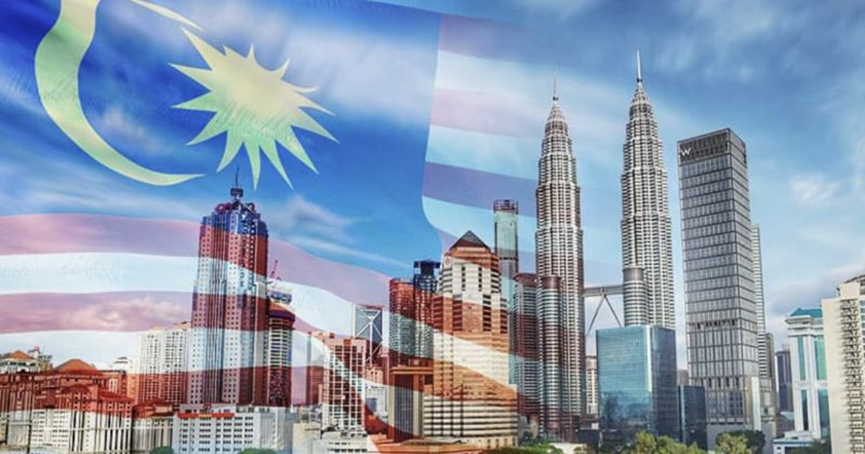
当考察从一次变成两次,很多家庭很快就会遇到一个现实问题:如果真的想慢下来,能不能“合法、长期、稳定”地待着。也正是在这个阶段,“第二家园计划”开始被反复提起。一次性给到较长年限的居留权,进出自由、不必频繁折腾身份,让原本模糊的想法忽然有了落点。
One visit turns into two, sometimes more. And soon, a practical question arises: If we truly want to slow down, can we legally, stably, and long-term stay? This is where the Malaysia My Second Home (MM2H) program comes into play. A long-term residency option that offers flexibility, freedom of movement, and fewer administrative headaches—it gives shape and structure to what once felt like a vague possibility.

对不少人来说,这种确定感很重要——不是马上要搬走,而是心里知道,如果决定留下,路是通的。再加上生活成本和购房条件相对可控,很多最初只是陪孩子读书、短期停留的家庭,也在不知不觉中,把这里纳入了更长远的人生规划。
That sense of certainty matters. It’s not about moving tomorrow, but knowing: If we choose to stay, the path is open. Combine that with affordable living costs and accessible real estate, and many families—initially here just for school or a short break—find themselves quietly incorporating Malaysia into their long-term plans.
◆ ◆ ◆ ◆
生活的细节
The Quiet Power of Daily Life
◆ ◆ ◆ ◆
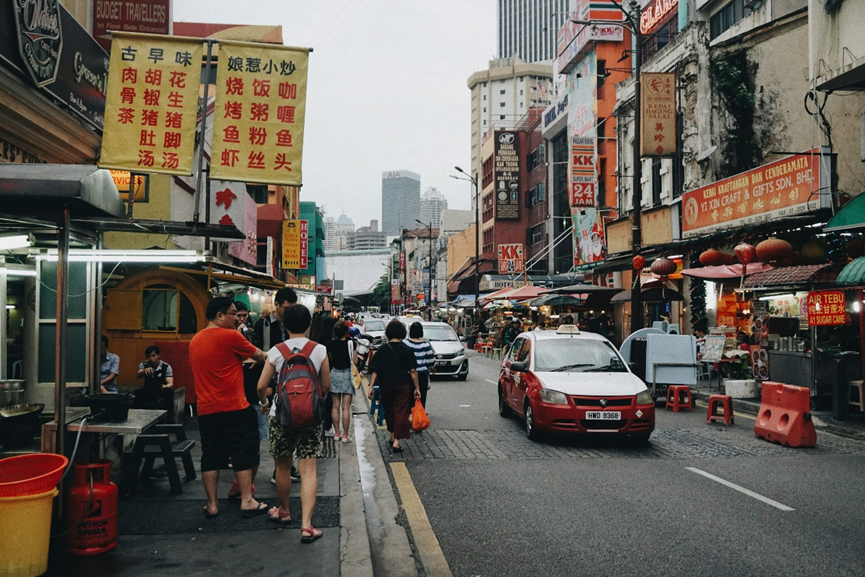
真正让很多家庭下定决心的,往往不是哪一条政策,而是生活里那些不起眼的小事。第一次发现用华语就能把事情说明白,点餐、办事几乎没有沟通障碍;熟悉的饮食口味,也让人少了“身在异乡”的疏离感。
Ultimately, it’s not policies that make people stay. It’s the texture of everyday life. The ease of using Mandarin to order food or deal with paperwork. The comfort of familiar dishes. The absence of that constant “outsider” feeling.
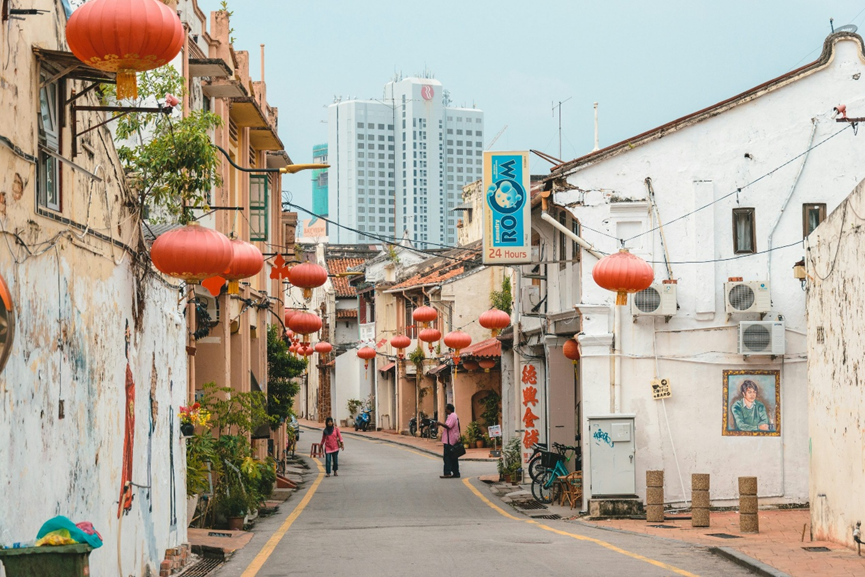
更重要的是人与人之间的距离感——没有那么多防备,说话不急不躁,遇到问题时,周围的人愿意搭一把手。这些细碎的瞬间,在最初并不显眼,却在日复一日的生活中慢慢累积,让人开始觉得,这里并不是暂住的地方,而是可以安心安顿下来的空间。
But most of all, it’s how people relate to one another. There’s less defensiveness, more patience. Conversations aren’t always hurried. When something goes wrong, strangers often lend a hand. These moments may seem trivial at first. But over time, they stack up. And one day, it clicks: this doesn’t feel like a stopover anymore—it feels like a place to settle.
◆ ◆ ◆ ◆
身体的变化
When the Body Finally Speaks
◆ ◆ ◆ ◆
很多人是在生活节奏真正慢下来之后,才发现身体早就替自己发出了信号。以前早上醒来就觉得累,晚上却怎么也睡不踏实;到了马来西亚,作息不再被挤压,情绪也少了随时待命的紧张感,睡眠反而慢慢恢复了。
It’s only when the pace of life truly slows that many realize how long their bodies have been sounding the alarm. They used to wake up tired, lie awake at night. But in Malaysia, with more space to breathe, sleep gradually improves. The tension in the chest begins to ease.
有人发现血压稳了,有人连多年反复的小毛病都轻了不少。更明显的是心态的变化——不再时时盯着时间赶路,下午能坐下来喝杯咖啡,周末也不用为“什么都没完成”而内疚。正是在这种看似平常的日子里,很多人才后知后觉地意识到:原来自己已经透支了很久。
Some see their blood pressure stabilize. Others notice long-standing aches and pains begin to fade. But the real shift is internal: not always rushing, not always guilty for doing “nothing,” learning to sit down for an afternoon coffee without checking the clock. In these unremarkable days, many finally understand: burnout had long been their default state.

◆ ◆ ◆ ◆
门槛变高了
Higher Thresholds, Clearer Intentions
◆ ◆ ◆ ◆
真正准备长期留下来的人,很快都会碰到政策带来的现实问题。新版的第二家园计划不再是过去那种统一标准,而是分成不同等级,对应不同年限和资金要求。表面看,门槛确实比以前高了,购房价格、资金规划都成了绕不开的条件,但不少家庭反而因此更冷静了。
Those seriously considering a long-term life in Malaysia eventually encounter the realities of new policies. The updated MM2H isn’t what it once was—it’s now tiered, with varying durations and financial requirements. The bar is higher. Housing and financial planning are no longer optional. But in that challenge lies clarity.


没有了模糊空间,每一步都需要算清楚,也逼着人认真思考:自己是不是愿意把未来的几年,甚至更长时间,放在这里。对那些只是短暂停留的人来说,这是一道筛选;而对真正想扎根的家庭而言,规则变清晰了,方向也反而更明确了。
Gone is the gray zone. Now, every step requires deliberation. Families are prompted to ask: Are we truly ready to commit years—perhaps decades—here? For short-term passersby, the new rules serve as a filter. But for those determined to lay down roots, clearer rules bring a sharper sense of direction.
◆ ◆ ◆ ◆
留下的理由
Choosing to Belong
◆ ◆ ◆ ◆
随着越来越多中国家庭在这里安顿下来,本地华人的态度也变得更加真实而多元。有人欢迎新邻居的到来,觉得社区更热闹了,也有人在相处中慢慢提醒彼此:文化相近,并不等于身份相同。
As more Chinese families settle in, the responses from local Chinese Malaysians have become more layered. Some welcome the energy and diversity newcomers bring. Others offer quiet reminders: shared culture doesn’t mean shared identity.

对很多中国家庭来说,这样的边界反而让人安心——既能感受到熟悉的语言与生活方式,也需要学会尊重这片土地原本的秩序。时间久了,大家都会明白,真正能留下来的,不是带着优越感的人,而是愿意融入、慢慢生活的人。
For many families, this balance feels right. They find comfort in the familiar language, but also grow to respect the unique rhythms of life here. Over time, everyone comes to the same truth: the ones who truly stay are not those who arrive with assumptions, but those willing to adapt, participate, and embrace life at a slower pace.

◆ ◆ ◆ ◆
留下的理由
Choosing to Belong
◆ ◆ ◆ ◆
离开原本熟悉的环境,从来不是一件轻松的事。可当生活的节奏真正慢下来,很多人才发现,自己这些年并不是不努力,而是一直被推着往前走,没有机会停下来调整方向。马来西亚并不完美,它也有现实的门槛和不确定性,但对一些家庭来说,这里至少提供了一种可能——日子可以不用那么赶,孩子可以不用那么绷,大人也可以把生活重新过得更像生活。
Leaving the familiar is never easy. But when life finally slows, people often realize: they were never short on effort—they were just being swept forward without pause, without room to ask whether they were heading in the right direction. Malaysia isn’t perfect. It has its own hurdles and uncertainties. But for some families, it offers something rare: a life that doesn’t have to be a constant sprint. A childhood that doesn’t have to be compressed. A sense that adults, too, can reclaim life as living, not just surviving.

未来会怎样,没有人能给出标准答案。但对已经迈出这一步的人来说,选择慢下来,本身就是一种温柔却坚定的决定。
No one knows what the future holds. But for those who’ve taken this step, choosing to slow down is already an act of gentle, determined courage.

 泰国 · 曼谷
 马来西亚 · 吉隆坡
 泰国 · 曼谷
 泰国 · 曼谷