2025 年全球最繁忙国际航线 TOP10,正在反复指向这几座城市
很多时候,航线并不只是交通工具,而是一种最直接的人口流动记录。谁在被反复往返,哪些城市之间长期保持高频连接,其实早已在数据里写得很清楚。
Air routes aren’t just about transportation — they’re a direct record of human movement. Which cities are being flown between again and again? Where are people constantly commuting? The answers are already written in the data.
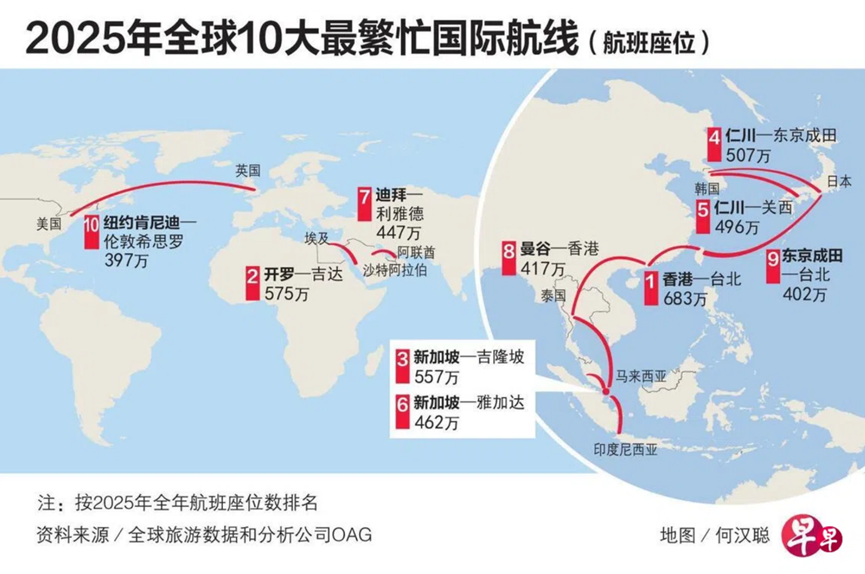
根据 OAG Aviation Worldwide 最新发布的航班座位统计数据,2025 年全球最繁忙的 10 条国际航线中,亚太地区占据了 7 个席位,中东航线紧随其后。这份榜单反映的,并不是短期的旅游热度,而是跨国工作、区域通勤和长期生活需求的真实走向。
According to the latest seat capacity statistics from OAG Aviation Worldwide, seven of the world’s ten busiest international routes in 2025 are in the Asia-Pacific region, followed closely by the Middle East. These rankings don’t merely reflect tourist hot spots — they track long-term living patterns, regional commuting, and transnational work.
◆ ◆ ◆ ◆
排名第一与第二:高频且高度集中
No.1 & No.2: High Frequency, Purpose-Driven Travel
◆ ◆ ◆ ◆
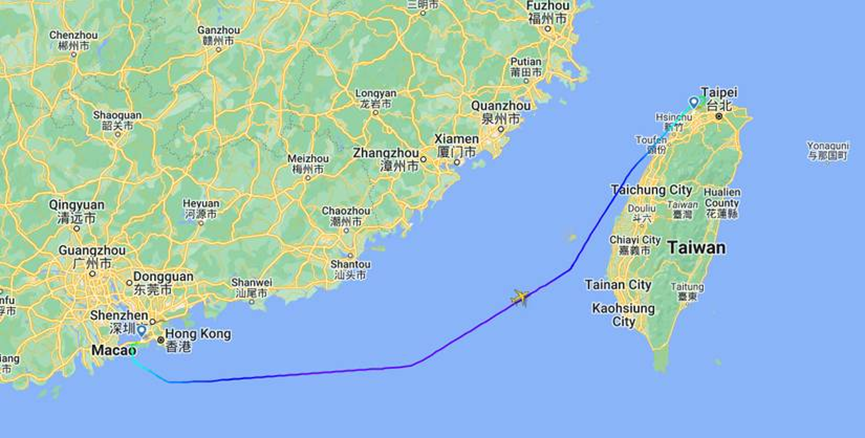
在全球排名中,香港—台北 航线连续第二年位居榜首。这条飞行时间仅约 1 小时 45 分钟的航线,全年提供约 683 万个座位,虽然同比仅小幅增长,但整体规模依然庞大。
The Hong Kong–Taipei route tops the global list for a second consecutive year. Though only 1 hour 45 minutes in flight, it offers a massive 6.83 million seats annually. Its growth may be modest, but the scale remains unmatched.
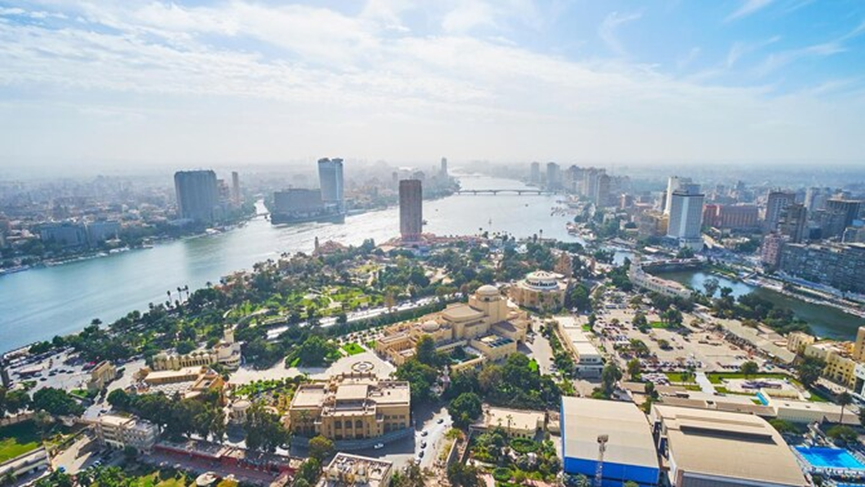
紧随其后的,是开罗—吉达航线。该航线已连续三年排名全球第二,今年座位数超过 575 万个,同比增长 5%,与疫情前相比更是大幅增加约 71%。这类航线人流高度集中,背后更多承载着宗教、区域性和特定目的出行需求。
In second place: Cairo–Jeddah — in the global top 2 for three years running. It offers over 5.75 million seats this year, up 5% year-on-year and a striking 71% higher than pre-pandemic levels. These routes are driven by intense, purpose-specific demand — often religious, regional, or culturally rooted.
◆ ◆ ◆ ◆
亚太成为主角,并非偶然
Asia-Pacific in the Spotlight
◆ ◆ ◆ ◆
从整体结构来看,亚太航线在全球航空版图中的存在感正在不断放大。前十名中,大多数航线飞行时间集中在 2 小时左右,距离不长,但往返极为频繁。
Asia-Pacific air routes are taking up more space on the global aviation map. Among the top 10, most routes average around two hours in flight time — not long distances, but extremely high frequencies.
这类航线的共同特征在于:不是一次性出行,而是被大量人群反复使用。也正因为如此,亚太地区正在成为全球人口流动中最稳定、也最具持续性的核心区域。
What they have in common: They're not one-time journeys, but heavily utilized routes by recurring travelers. And that’s exactly why Asia-Pacific is becoming the most stable and sustainable core of global population flows.
◆ ◆ ◆ ◆
新隆航线:长期高位的“双城通勤线”
Singapore–Kuala Lumpur: A Commuter Super Route
◆ ◆ ◆ ◆
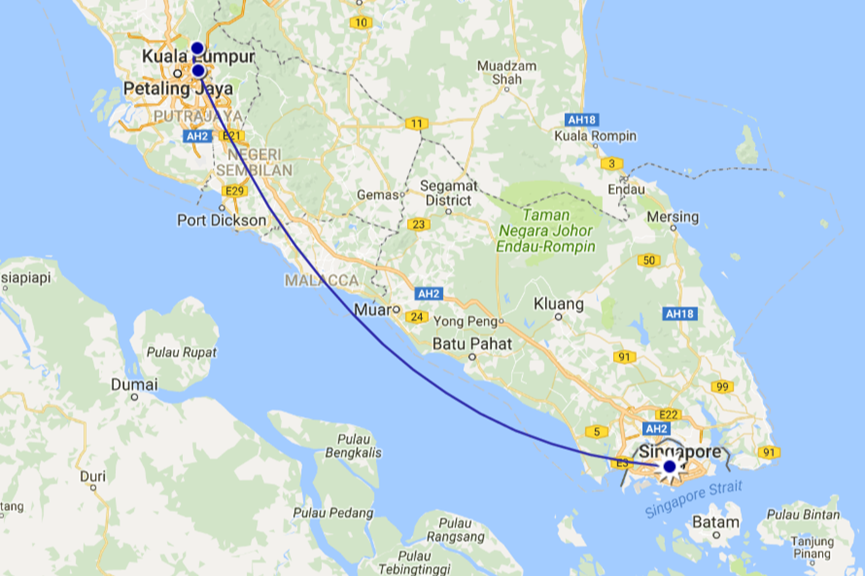
在所有航线中,往返新加坡与吉隆坡的航线依然处于第一梯队。按航班座位数统计,这条航线长期稳居全球前三,运力规模已恢复至疫情前水平。
The Singapore–Kuala Lumpur route remains firmly in the global top tier. By seat capacity, it has consistently ranked among the world’s top three and has now fully recovered to pre-pandemic levels.
与许多依赖节假日的航线不同,新隆航线的特点在于结构稳定、频次高、票价长期处于低位。这背后对应的,是大量跨国工作、双城生活与高频往返的人群。
Unlike routes that rely on holiday demand, this one is defined by stability, high frequency, and low fares. It serves a large population that commutes across borders, lives in two cities, and travels often.
对城市而言,这意味着吉隆坡并非只是过境点,而是在持续承接真实而长期的居住需求。
For cities, this reveals that Kuala Lumpur is far more than a transit point — it’s meeting real, long-term residential demand.
◆ ◆ ◆ ◆
新加坡—雅加达:增速最快,但仍在修复期
Singapore–Jakarta: The Fastest Growing, Still Rebuilding
◆ ◆ ◆ ◆
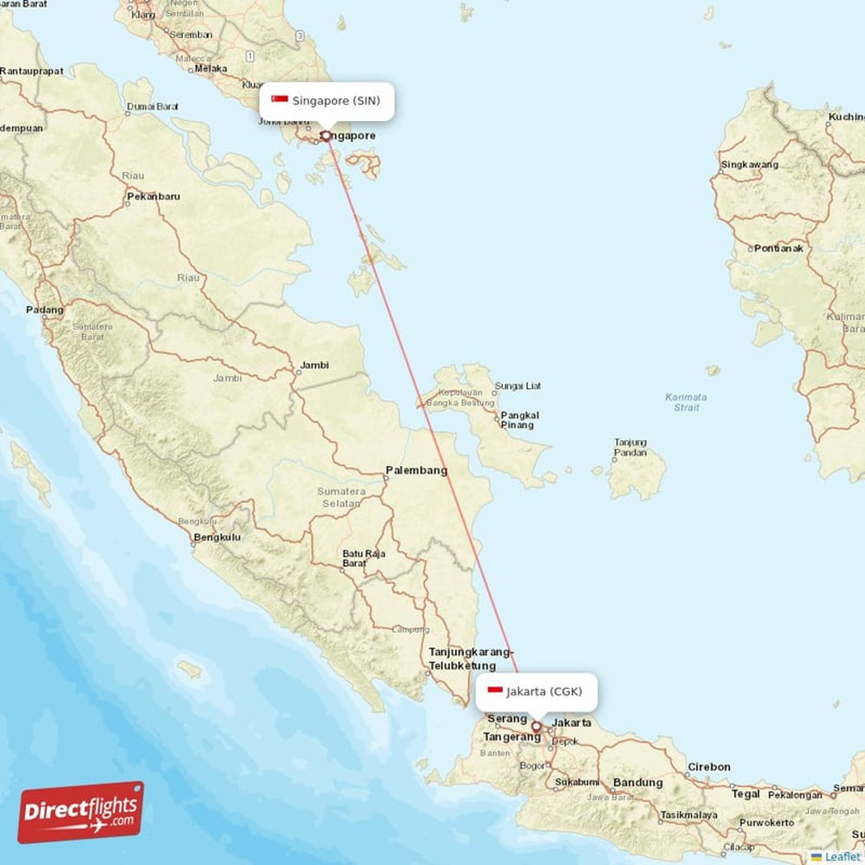
如果从增速来看,新加坡—雅加达是今年增长最快的国际航线之一。该航线排名全球第六,全年提供近 462 万个航班座位,同比增长约 14%,为 TOP10 中增幅最高。
Singapore–Jakarta is one of the fastest-growing international air routes this year. It ranks sixth globally with nearly 4.62 million seats annually — a 14% year-on-year increase, the highest among the top 10.
不过,这条航线的运力仍比疫情前低约 16%,更像是一种修复性的回升。目前共有 8 家航空公司竞争这一路线,激烈的市场环境持续压低票价,单程经济舱平均约 87 美元。
Yet its capacity remains 16% below pre-pandemic levels, signaling a recovery rather than full growth. Eight airlines compete on this route, keeping prices low — an average economy fare sits at just $87 one-way.
◆ ◆ ◆ ◆
曼谷:被长期居住人群反复选择的亚洲城市
Bangkok: A City in Asia Consistently Chosen for Long-Term Living
◆ ◆ ◆ ◆
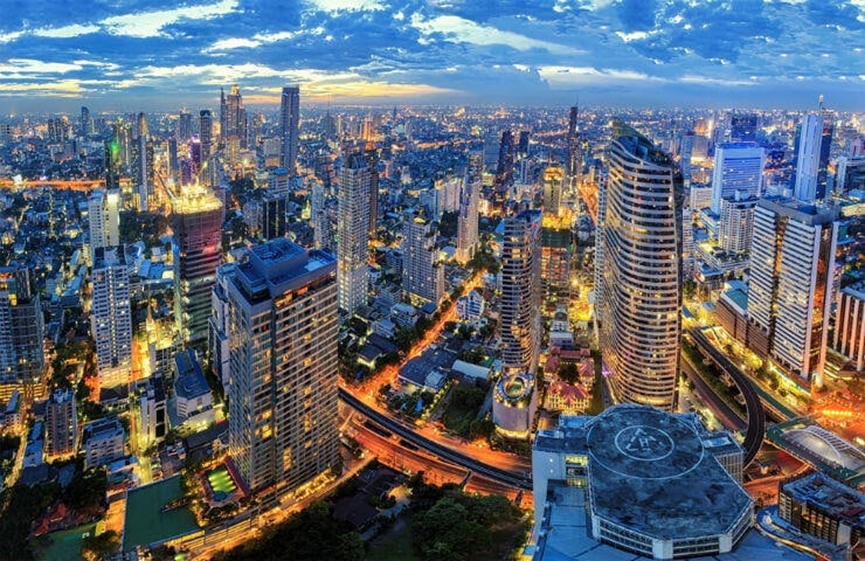
如果把视线回到亚洲内部,会发现曼谷在全球最繁忙航线中反复出现,并不是因为短期热度,而是它持续承接着区域内真实、长期的生活需求。这里的人流,更多来自工作、居住、家庭与生活本身,而不是一次性的尝试。
When looking at Asia’s internal travel patterns, Bangkok repeatedly ranks among the world’s busiest air routes — not because of fleeting trends, but because it steadily meets the real and long-term living needs of the region. The majority of its travelers come for work, residence, family, and daily life — not just for one-time visits.
对很多亚洲人群来说,曼谷并不激进,却足够稳定。生活成本、城市成熟度、国际化程度与区域连接能力,形成了一种相对平衡的状态,使得不少人可以在这里长期停留。航线的高频,正是这种“长期被选择”的直接体现。
For many in Asia, Bangkok isn’t radical, but it offers enough stability. Its cost of living, urban maturity, degree of internationalization, and regional connectivity create a well-balanced environment — allowing many to stay for the long term. The high-frequency flight routes are a direct manifestation of this ongoing preference.
◆ ◆ ◆ ◆
日本:成熟体系下的稳定回流城市
Japan: A Stable Return Destination under a Mature System
◆ ◆ ◆ ◆
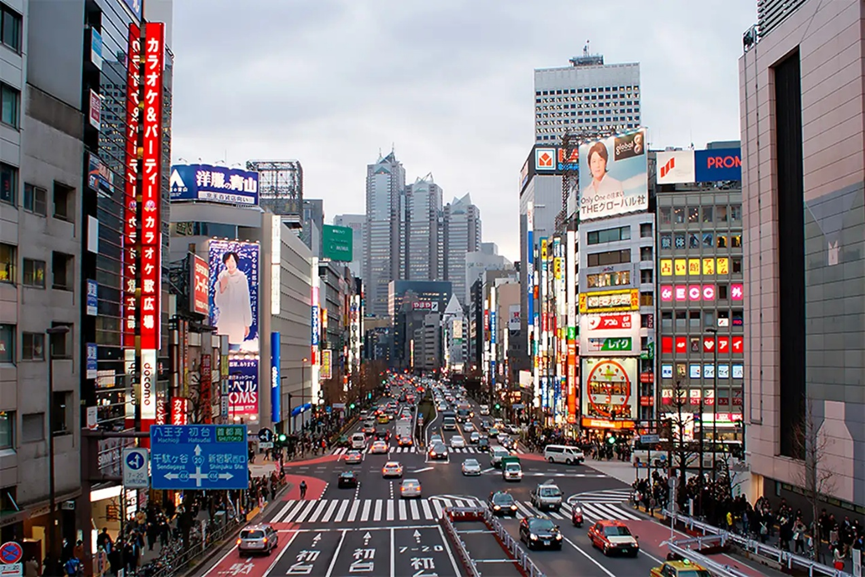
相比之下,东京、大阪所在的日本航线,增长节奏并不张扬,却始终维持在全球最繁忙航线的前列。它们很少因为短期因素出现剧烈波动,但也正因为如此,在长期预期上显得格外清晰。
By contrast, Japan’s air routes to Tokyo and Osaka don’t grow rapidly, but they remain consistently among the busiest globally. These routes rarely see major fluctuations driven by short-term factors — which in turn strengthens Japan’s appeal as a long-term choice.
制度成熟、生活环境稳定、城市运行高度可预测,使得日本更像是一种“可以反复返回”的目的地。对部分人而言,这并不是一次性的迁移选择,而是在不同人生阶段中,始终保留的一个长期选项。
With a mature system, a stable lifestyle environment, and highly predictable urban operations, Japan becomes a destination that people feel comfortable returning to. For some, it’s not a one-off migration, but a lasting option that remains relevant throughout different stages of life.
◆ ◆ ◆ ◆
迪拜:高频枢纽背后的另一种承接逻辑
Dubai: A High-Frequency Hub with Layered Mobility Patterns
◆ ◆ ◆ ◆
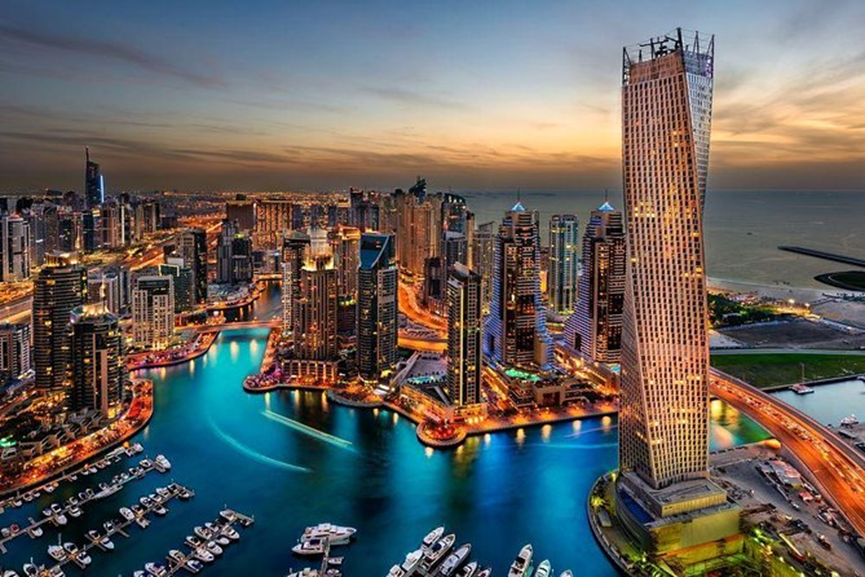
而在榜单的另一侧,迪拜所代表的中东航线,则呈现出不同的结构特征。高频往返、航线密集,但人群属性更加分层,宗教出行、区域商务与国际转机需求同时存在。
On the other side of the ranking, Dubai and its Middle Eastern routes reflect a different structure. Flights are frequent and routes are dense, but the nature of the travelers is more stratified — combining religious travel, regional business, and international transit.
这种流动并不以“居住型人口”为主,而更偏向跨区域配置与阶段性停留。也正因为如此,迪拜的角色更像是一个高度集中的枢纽节点——它承接的不是单一生活需求,而是更复杂、多层次的全球流动。
This flow isn’t primarily driven by long-term residential demand, but by cross-regional deployments and temporary stays. As a result, Dubai acts more like a highly concentrated hub, serving not a single lifestyle need but a more complex and multi-tiered form of global mobility.
◆ ◆ ◆ ◆
人流的方向,往往先于房产发生
Real Estate Follows the People
◆ ◆ ◆ ◆
当把这些航线数据综合在一起,会发现一个共性:房产需求并不是先发生的,而是在人已经持续流入之后,自然出现的结果。
Putting all the data together reveals one key insight: Real estate demand doesn’t come first — it follows sustained population movement.
不同航线、不同城市,对应的是不同类型的人群和不同阶段的选择。真正重要的,并不是某一年哪条航线最热,而是哪些城市,已经在多年时间里被反复使用、反复选择。
Each route, each city represents a different group of people at different stages in their journey. What matters most isn’t which route was hot this year, but which cities have been repeatedly chosen for years.
而这,正是航线数据真正值得被关注的地方。
And that’s what makes air route data truly worth paying attention to.


 泰国 · 曼谷
 马来西亚 · 吉隆坡
 泰国 · 曼谷
 泰国 · 曼谷