中国企业出海进入3.0阶段,真正的变化正在泰国发生
如果把中国企业的出海历程拉长来看,会发现它已经明显进入了一个新阶段。早期是把产品卖出去,后来是把产能搬出去,而现在,越来越多企业开始在海外复制一整套体系——研发、制造、供应链、管理与市场同时落地。这也是为什么,近几年中国企业在泰国的存在感,不再体现在零散项目上,而是体现在产业密度和长期投入上。变化真正发生的,并不是“来了多少公司”,而是企业开始把这里当作长期运营的一部分,而不是临时落脚点。
If we take a long-term view of Chinese companies’ overseas expansion, it becomes clear that they have entered a distinctly new phase. In the early days, the focus was on selling products abroad; later, it shifted to relocating production capacity overseas. Today, however, an increasing number of companies are replicating an entire operational system abroad — with R&D, manufacturing, supply chains, management, and markets all established simultaneously. This is why, in recent years, the presence of Chinese companies in Thailand is no longer reflected in scattered projects, but in industrial density and long-term investment. The real change is not about “how many companies have arrived,” but about companies beginning to treat Thailand as part of their long-term operations rather than a temporary foothold.

◆ ◆ ◆ ◆
泰国正在承接什么
What Thailand Is Taking On
◆ ◆ ◆ ◆
如果把中国企业的出海路径放到区域维度来看,会发现一个很明显的变化:企业不再只寻找“成本更低的生产地”,而是在寻找一个能够长期承接完整运营体系的节点。在这一轮选择中,泰国被反复放在对比表上,并最终被越来越多企业选中,并非偶然。
Viewed from a regional perspective, the overseas expansion path of Chinese companies reveals a clear shift: companies are no longer simply looking for “lower-cost production bases,” but for locations capable of hosting a complete operational system over the long term. In this new round of selection, Thailand has repeatedly appeared on comparison lists and has ultimately been chosen by an increasing number of companies — not by coincidence.

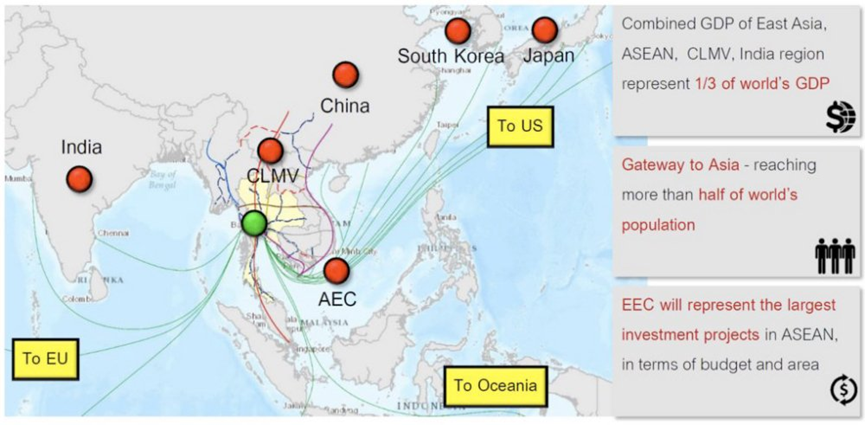
一方面,泰国位于东南亚核心位置,既能覆盖本土市场,也能辐射东盟及欧美出口;另一方面,无论是制造基础、物流条件,还是政策稳定性,都足以支撑企业把研发、生产、供应链和区域管理一并放在这里。对出海进入3.0阶段的企业来说,这种“可以长期放得下体系”的能力,比单一的成本优势更重要。
On the one hand, Thailand sits at the heart of Southeast Asia, allowing companies to serve the domestic market while reaching ASEAN and Western export markets. On the other hand, its manufacturing foundation, logistics infrastructure, and policy stability are all strong enough to support the simultaneous deployment of R&D, production, supply chains, and regional management. For companies entering the 3.0 phase of globalization, this ability to “sustain an entire system over the long term” is more important than any single cost advantage.
◆ ◆ ◆ ◆
企业为什么扎堆东部
Why Companies Cluster in the Eastern Region
◆ ◆ ◆ ◆
如果继续往下拆,会发现中国企业在泰国的布局,并不是平均分布,而是高度集中在春武里、罗勇一带。这片区域,正是泰国“东部经济走廊(EEC)”的核心。对出海进入3.0阶段的企业来说,区位已经不是单点判断,而是一整套效率体系的选择。
A closer look reveals that Chinese companies’ investments in Thailand are not evenly distributed, but highly concentrated in areas such as Chonburi and Rayong. This region forms the core of Thailand’s Eastern Economic Corridor (EEC). For companies in the 3.0 phase of going global, location selection is no longer about isolated points, but about choosing an integrated efficiency system.

这里一头连接深水港和国际航线,另一头衔接完善的工业园区与供应链网络,既能服务本地生产,也能快速对接全球市场。更重要的是,产业在这里并不是零散存在,而是形成了高度集聚的生态,从整机制造到零部件、物流、服务配套,都能在同一区域内完成协同。企业选择扎堆,并非追逐热度,而是在为长期运营降低系统性成本。
This area connects deep-sea ports and international shipping routes on one end, and mature industrial parks and supply-chain networks on the other. It supports local production while enabling rapid access to global markets. More importantly, industries here do not exist in isolation; they form a highly clustered ecosystem where complete machines, components, logistics, and supporting services can all collaborate within the same region. Companies are not chasing trends — they are reducing systemic costs for long-term operations.

◆ ◆ ◆ ◆
人正在长期留下
People Are Staying for the Long Term
◆ ◆ ◆ ◆
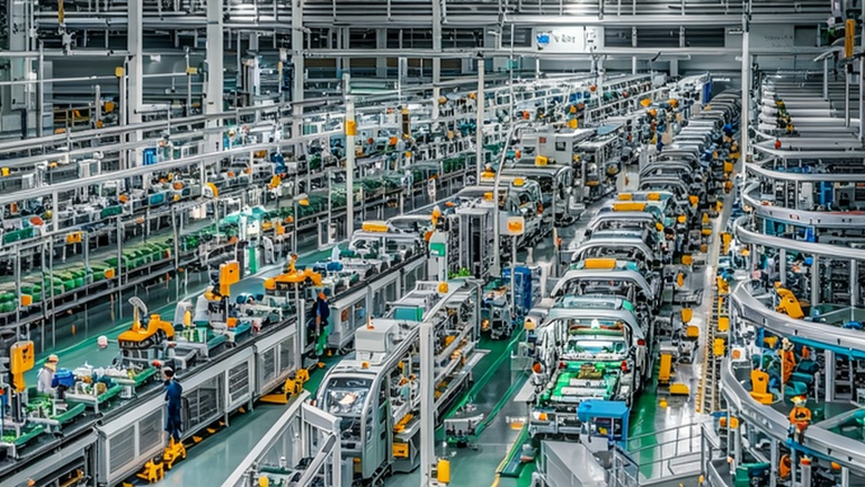
当企业开始在东部经济走廊持续加码,真正发生变化的,其实不只是厂房数量,而是人的停留方式。越来越多中国企业在泰国的布局,不再依赖短期轮换团队,而是把管理层、技术骨干和供应链负责人以“年”为单位长期外派。本地化运营、区域管理和跨国协同,都需要人长期驻扎才能跑得顺。
As companies continue to increase investment in the Eastern Economic Corridor, the most significant change is not the number of factories, but how people stay. More and more Chinese companies are no longer relying on short-term rotation teams, but are sending management, technical experts, and supply-chain leaders abroad for years at a time. Localized operations, regional management, and cross-border coordination all require long-term on-site presence to function smoothly.
这意味着,企业的存在不再是阶段性的,而是进入了稳定运营状态。对区域而言,这种变化的意义在于:人口开始具备持续性。当人不再只是短暂停留,居住需求也随之发生转变,从“能住就行”,变成“能不能长期生活”。
This means that companies’ presence is no longer temporary, but has entered a stage of stable operation. For the region, the significance lies in population continuity. When people are no longer short-term visitors, housing demand changes accordingly — from “somewhere to stay” to “somewhere suitable for long-term living.”
◆ ◆ ◆ ◆
居住开始成为刚需
Housing Becomes a Rigid Demand
◆ ◆ ◆ ◆
当外派人员的停留周期被拉长,居住这件事,就不再只是配套问题,而开始变成一项基础需求。对长期驻扎的管理层和技术人员来说,住得近只是底线,住得顺、住得久才是关键。他们需要稳定的生活半径,需要下班后可以正常生活的环境,而不是临时周转的宿舍式居住。
As assignment durations lengthen, housing is no longer a supplementary concern but a fundamental need. For long-term expatriate managers and technical staff, proximity alone is only the baseline; comfort and sustainability of living are what truly matter. They need a stable living radius and an environment that supports normal daily life after work, rather than temporary, dormitory-style accommodation.
也正是在这个阶段,居住需求开始出现明显分化:并不是所有房子都能承接长期居住。能否靠近成熟城市配套、通勤是否可控、生活是否便利,直接决定了一个区域能不能真正“留住人”。当这些条件成立,租赁就不再是短期行为,而开始具备持续性。
At this stage, housing demand begins to differentiate clearly. Not every property can support long-term living. Proximity to mature urban amenities, manageable commuting times, and overall convenience directly determine whether a region can truly retain people. When these conditions are met, renting is no longer a short-term behavior, but a sustained one.
◆ ◆ ◆ ◆
区位决定能住多久
Location Determines How Long One Can Live There
◆ ◆ ◆ ◆
在工业城市里,很多人会下意识把居住需求理解为“离工厂越近越好”,但真正长期住下来的人,往往会做出相反的选择。对外派管理层和技术人员来说,通勤效率固然重要,但生活是否顺畅,才决定能不能住上一两年。
In industrial cities, housing demand is often instinctively understood as “the closer to the factory, the better.” Yet those who truly stay long term often make the opposite choice. For expatriate managers and technical professionals, commuting efficiency matters, but the smoothness of daily life ultimately determines whether they can stay for one or two years.

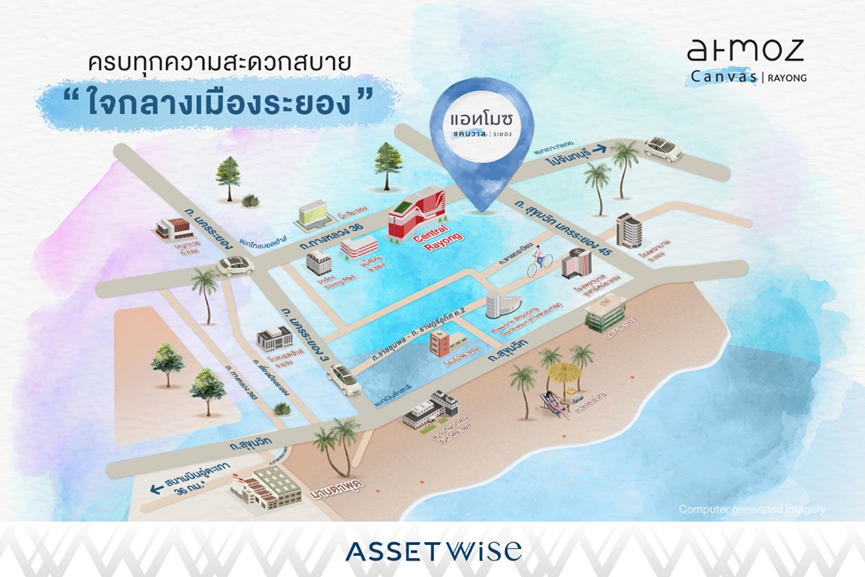
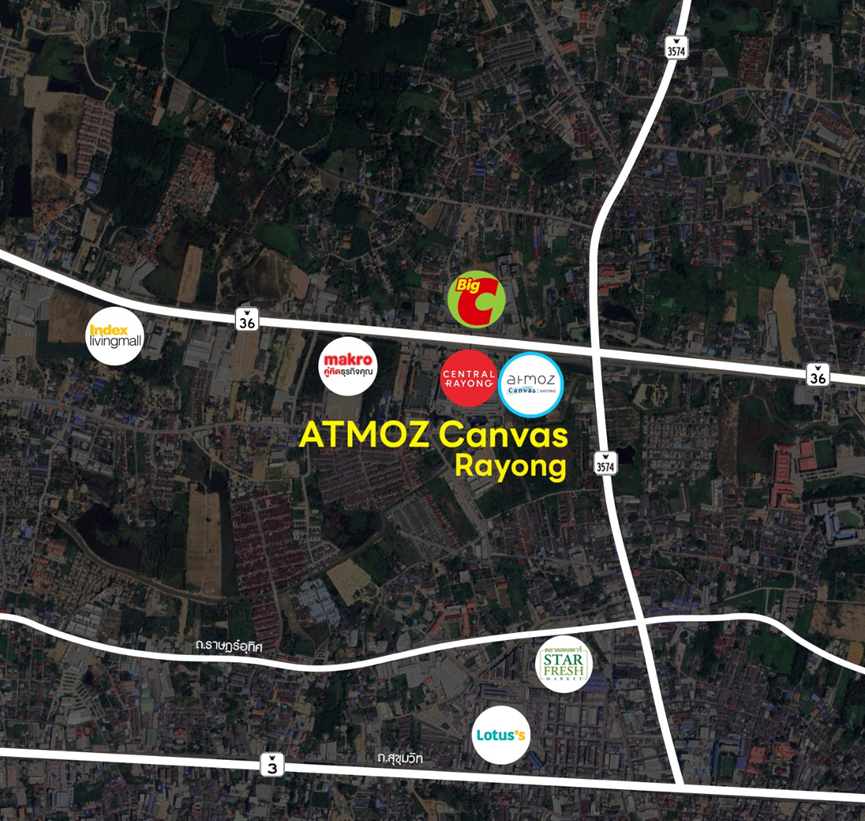
在罗勇这样的产业城市,这种“顺不顺”的差异,往往体现在更底层的区位条件上。项目门口直连 36号公路,向西可快速通达曼谷,向东覆盖罗勇及周边工业园区,这意味着居住并不被锁死在单一工作半径内。对长期驻扎的人来说,这种既能高效通勤、又能保留城市选择权的区位,才是真正可持续的生活状态。区位的价值,不在于靠近某一个点,而在于能否支撑长期、多向度的生活效率。
In an industrial city like Rayong, this sense of “smoothness” is often rooted in more fundamental location factors. Direct access to Highway 36 allows quick travel westward to Bangkok and eastward across Rayong and surrounding industrial parks. This means residents are not locked into a single work radius. For long-term residents, a location that enables both efficient commuting and flexibility in urban choice represents a truly sustainable lifestyle. The value of location lies not in proximity to a single point, but in its ability to support long-term, multi-directional living efficiency.
◆ ◆ ◆ ◆
什么项目真正稀缺
What Projects Are Truly Scarce
◆ ◆ ◆ ◆
当长期居住需求开始集中向市中心和成熟生活区,市场上的分化也就随之出现了。表面看,罗勇并不缺房子,但真正稀缺的,并不是“有没有供应”,而是有没有为长期居住人群准备的产品。能同时兼顾通勤效率、城市配套和居住品质的项目,本身就不多。
As long-term housing demand concentrates toward city centers and mature living areas, market differentiation naturally follows. On the surface, Rayong does not lack housing supply, but what is truly scarce is not the number of units, but products designed for long-term residents. Projects that balance commuting efficiency, urban amenities, and living quality are inherently limited.
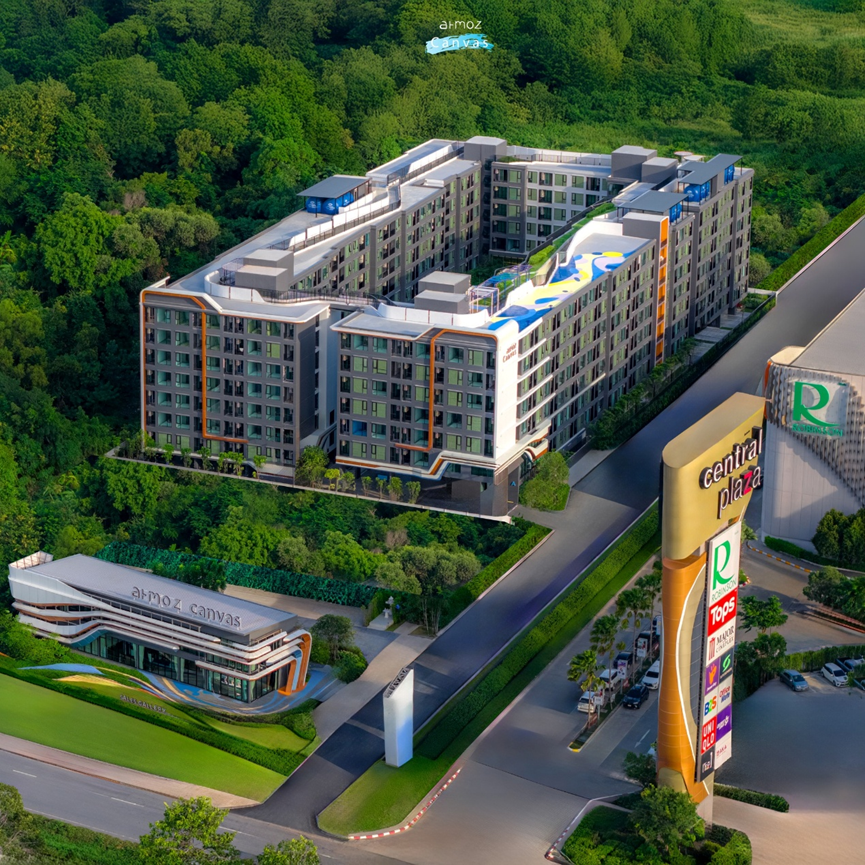
也正是在这样的背景下,Atmoz Canvas Rayong 这样的项目开始显现出它的代表性。它并不是因为概念新,而是因为位置和产品逻辑,恰好对上了这批长期外派人群的真实需求:位于罗勇市中心成熟生活区,日常配套已经成型,同时又能在约15分钟通勤范围内覆盖多个核心工业园区。对住客来说,这意味着上班不折腾、下班能回到城市生活,而不是长期将就。
Against this backdrop, projects like Atmoz Canvas Rayong begin to demonstrate their representativeness. Not because of new concepts, but because their location and product logic precisely align with the real needs of long-term expatriates: situated in a mature central living area of Rayong, with established daily amenities, while still covering multiple core industrial parks within a roughly 15-minute commute. For residents, this means a hassle-free work commute and a return to city life after hours — rather than prolonged compromise.

◆ ◆ ◆ ◆
现金流如何被锁定
How Cash Flow Is Secured
◆ ◆ ◆ ◆
对稳健型投资客户来说,真正让人犹豫的,往往不是长期回报,而是前期不确定性:交付后能不能马上出租、租给谁、租金是否合理。也正是在这一点上,项目是否已经被真实市场验证,显得尤为重要。
For conservative investors, the real hesitation often lies not in long-term returns, but in early-stage uncertainty: whether the property can be rented immediately after handover, to whom, and at what rental level. This is precisely where prior market validation becomes critical.
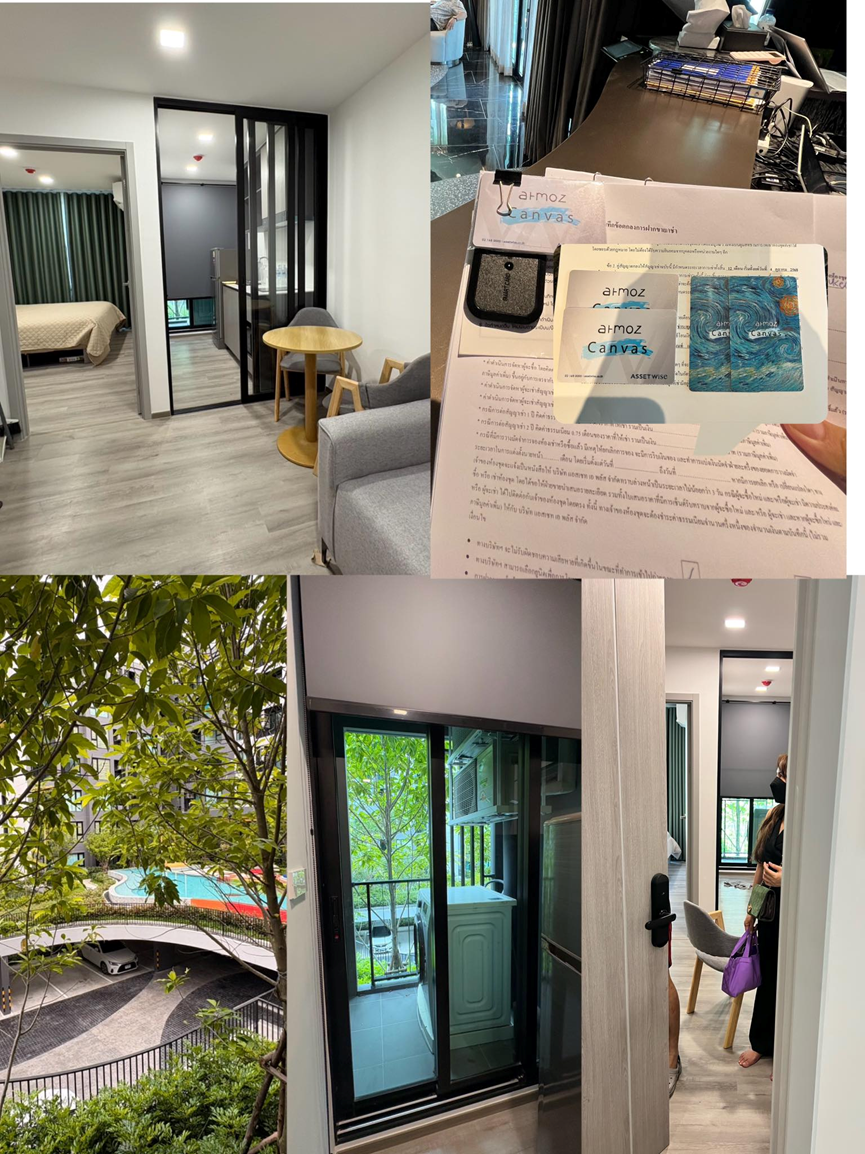
以 Atmoz Canvas Rayong 为例,项目中约35㎡的最小单位,在完成销售后已全部实现出租。这并不是通过价格刺激换来的短期结果,而是因为产品面积、区位与需求人群高度匹配,优先被市场选择。再结合4%包租 + 3年统一托管的机制,项目把“是否能租出去”和“如何持续运营”这两件事,提前做成了已知条件。对投资人而言,这不是押判断,而是在已有结果基础上的理性配置。
Take Atmoz Canvas Rayong as an example. All approximately 35-square-meter smallest units have already been successfully rented after sale. This outcome was not achieved through short-term price incentives, but through a strong match between unit size, location, and target tenant demand, leading the market to choose the product organically. Combined with a 4% guaranteed rental return and three years of unified property management, the project has effectively turned “whether it can be rented” and “how it will be operated sustainably” into known variables in advance. For investors, this is not a speculative bet, but a rational allocation based on proven results.

 泰国 · 曼谷
 马来西亚 · 吉隆坡
 泰国 · 曼谷
 泰国 · 曼谷