泰国“反代持”新规4月1日生效:外国人还能买别墅吗?
最近,一条关于泰国“打击代持”的政策,在投资圈和房地产圈里引发了不少讨论。
A newly proposed Thai regulation targeting nominee arrangements has sparked considerable discussion among investors and across the real estate sector.
泰国商业发展部(DBD)在今年2月底公布了一份法规草案:《关于合伙企业和有限责任公司董事/合伙人变更登记程序的拟议新规》。目前草案正在公众意见征集阶段,预计在2026年4月1日正式实施。
In late February, Thailand’s Department of Business Development (DBD) released a draft regulation titled “Proposed New Rules on Registration Procedures for Changes of Directors/Partners in Partnerships and Limited Companies.” The draft is currently open for public consultation and is expected to come into force on April 1, 2026.
这条新规的核心目的只有一个:加强对“代持结构”的监管。也就是说,泰国政府正在进一步收紧通过泰国人“代持”来规避外资限制的行为。
At its heart, the new measure serves one clear purpose: to tighten oversight of nominee structures. In practical terms, this means the Thai government is stepping up efforts to curb arrangements in which Thai nationals hold shares on behalf of foreigners in order to sidestep foreign ownership restrictions.
那么,这条政策到底意味着什么?对外国人通过公司购买泰国别墅,又会产生多大影响?今天我们简单拆解一下。
So what does this policy really signal? And how much will it affect foreigners seeking to purchase villas in Thailand through company structures? Here is a straightforward breakdown.

◆ ◆ ◆ ◆
泰国为什么持续打击“代持”
Why Thailand Keeps Cracking Down on Nominee Structures
◆ ◆ ◆ ◆
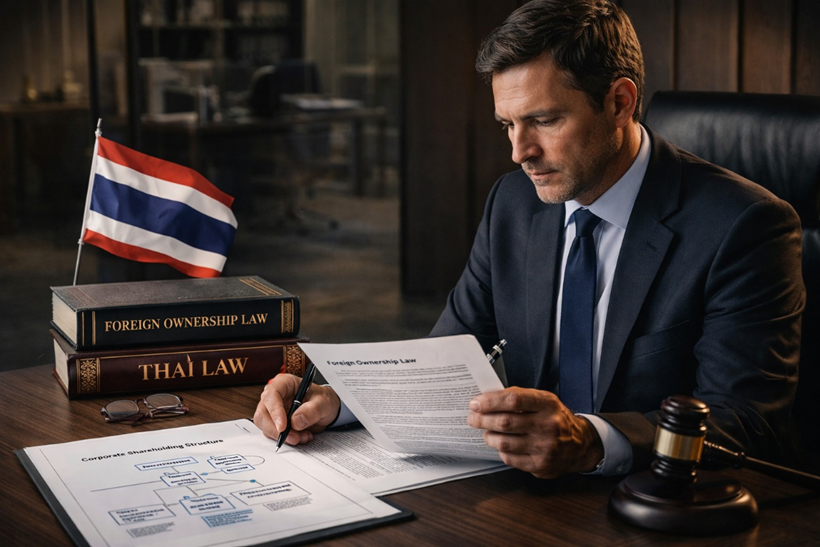
在泰国法律体系中,《外商经营法》(Foreign Business Act)对外国投资有明确限制。一般来说:外国人持股比例 不得超过49%,泰国人必须 持股51%以上。如果泰国股东只是名义上的股东,而公司实际由外国人控制,这种情况就属于:Nominee(代持)。
Under Thailand’s legal system, the Foreign Business Act imposes explicit restrictions on foreign investment. As a general rule, foreign shareholding may not exceed 49%, while Thai nationals must hold at least 51%. If the Thai shareholders are shareholders in name only, while actual control rests with foreigners, the arrangement is deemed a nominee structure.
过去很多外国投资者,为了持有土地或经营受限行业,会通过这种方式设立公司。泰国官方数据显示,目前存在 7.5万家“高风险公司”,外资比例低于50%,但存在疑似代持结构。因此,这几年泰国政府一直在逐步加强监管。
For years, many foreign investors used this model to hold land or operate in sectors restricted to foreign participation. According to Thai authorities, there are currently about 75,000 “high-risk companies” in which foreign ownership is below 50%, yet nominee arrangements are suspected. This is why the government has been steadily tightening enforcement over the past several years.
◆ ◆ ◆ ◆
政策其实是“逐步收紧”
This Policy Is Part of a Broader Pattern of Gradual Tightening
◆ ◆ ◆ ◆
今年1月,泰国已经推出过第一轮新规。当外资持股比例低于50%时,泰国股东必须提交 3个月银行流水,证明资金来源真实。
Thailand had already introduced an initial round of tighter rules in January. Under those measures, when foreign ownership is below 50%, Thai shareholders must submit three months of bank statements to prove that their capital is genuine.
但市场很快找到了新的“绕行方式”。一些投资人开始使用 老公司壳:先收购一个成立时间较早的泰国公司,然后通过董事变更,让外国人成为签字董事,从而实现实际控制权。
The market, however, quickly found another route around the rules. Some investors began using older shell companies: by acquiring an already-established Thai company and then changing its directors so that a foreigner became the authorized signatory director, they could still obtain effective control.
这种方式可以绕开资金来源审查。于是,泰国政府这次的新规,就是针对这个漏洞。
Because this method could sidestep scrutiny of capital sources, the new regulation is aimed squarely at closing that loophole.
◆ ◆ ◆ ◆
新规主要加强了一个环节
The Main Focus of the New Rule
◆ ◆ ◆ ◆
这次政策重点不是注册公司,而是:董事和股东变更。
The key target of this latest measure is not company incorporation itself, but rather changes in directors and shareholders.
如果出现以下情况:原本所有董事都是泰国人,变更后外国人成为签字董事。或者:原本合伙人都是泰国人,变更后出现外资但比例低于50%。
For instance: where all directors were originally Thai nationals, but a foreigner later becomes the authorized signatory director; or where all partners were originally Thai, but foreign participation is later introduced while remaining below the 50% threshold.
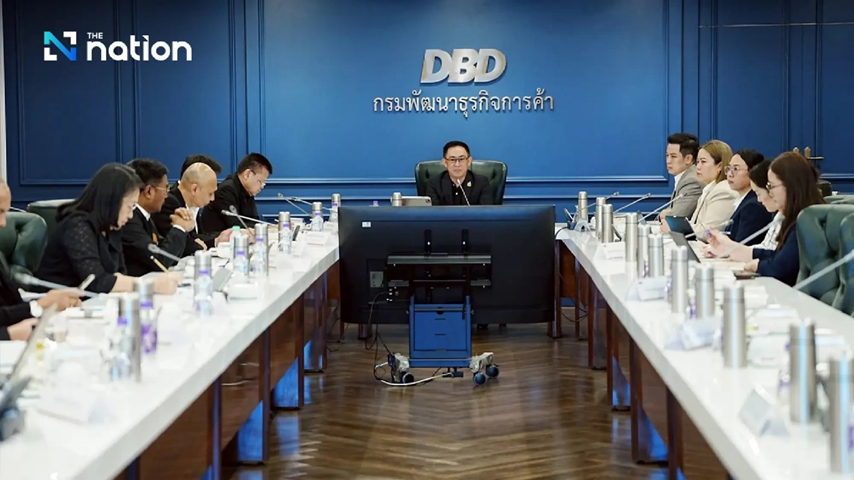
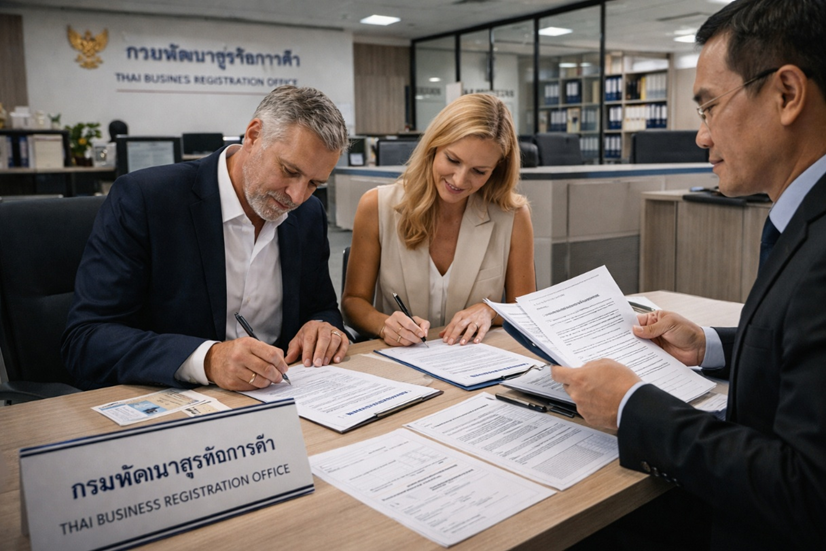
那么泰国股东必须:亲自到商业发展厅(DBD)现场签署“反代持声明”。声明内容包括:本人没有参与代持行为,没有协助外国人规避法律。
In such cases, Thai shareholders must: appear in person at the Department of Business Development (DBD) to sign an anti-nominee declaration. That declaration confirms that the individual: has not engaged in any nominee arrangement; and has not helped a foreigner evade legal restrictions.
如果声明不属实,则可能涉及:《外商经营法》第36条以及刑法虚假陈述条款。简单来说:代持的法律责任被进一步明确了。
If the declaration is false, the individual may face liability under Section 36 of the Foreign Business Act, as well as under criminal provisions relating to false statements. In short, the legal responsibility attached to nominee arrangements is being defined more clearly and enforced more firmly.
◆ ◆ ◆ ◆
这条政策会产生什么影响?
What Impact Will This Have?
◆ ◆ ◆ ◆
整体来看,这次政策不会改变市场结构,但会带来三个变化。
Overall, this policy is unlikely to reshape the market at a structural level, but it is likely to bring about three important changes.
1. 代持结构操作难度增加:过去很多代持股东只需要签文件即可。现在必须:本人到场,签署声明。这意味着:愿意参与代持的人可能会减少。
First, nominee structures will become harder to execute. Previously, many nominee shareholders only needed to sign paperwork. Now they must appear in person and make a formal declaration, which will likely reduce the number of people willing to participate.
2. 代持成本可能上升:随着风险增加,代持成本大概率会提高。一些原本低成本的代持安排,未来可能会变得更昂贵。
Second, nominee arrangements will probably become more expensive. As legal exposure rises, so too will the cost of taking on nominee risk. Structures that were once relatively cheap may become far costlier.
3. 审查时间可能变长:由于需要更多手续和证明文件,一些公司结构变更的办理时间可能会拉长。
Third, processing times may grow longer. With additional formalities and supporting documents required, changes to company structures may take more time to complete.

◆ ◆ ◆ ◆
那外国人还能买泰国别墅吗?
So, Can Foreigners Still Buy Villas in Thailand?
◆ ◆ ◆ ◆
这是很多人最关心的问题。首先要明确一点:泰国法律一直允许外国人购买公寓。外国人可以合法拥有:公寓49%的产权比例。但在土地方面,法律限制比较严格,因此才出现了多种持有方式。
This is, understandably, the question most foreign investors care about. The first point to clarify is that Thai law has always allowed foreigners to purchase condominiums legally. Foreign buyers may own up to 49% of the total saleable area within a condominium project. Land ownership, however, remains much more tightly restricted, which is why various alternative holding structures have developed.
常见方式包括:公司持有土地、长期租赁(Leasehold)、BOI投资项目或其他合法结构。
The most common options include: holding land through a company, long-term leasehold arrangements, BOI-promoted investment structures, and other legally compliant frameworks.
近年来,随着市场变化,很多开发商的别墅项目也陆续推出了长期租赁(Leasehold)解决方案。例如:别墅90年产权结构。通常采用:30年租赁,两次续租,形成长期使用权。
In recent years, many villa developments have also begun offering long-term leasehold solutions. A common example is a 90-year holding structure, typically arranged as: an initial 30-year lease, followed by two renewal periods, thereby creating long-term rights of use.
这种方式不涉及公司代持,因此风险更低。目前在普吉、芭提雅、苏梅等地都比较常见。
Because this model does not rely on nominee shareholding, it generally carries lower legal risk. It has already become increasingly common in places such as Phuket, Pattaya, and Koh Samui.

◆ ◆ ◆ ◆
市场趋势正在变化
The Market Is Clearly Evolving
◆ ◆ ◆ ◆
这几年其实可以看到一个明显趋势:泰国政府并不是在“排斥外资”。相反,它更希望:真正的外资通过 BOI、外商经营许可证、真实合资等方式进入。
What has become increasingly clear in recent years is that Thailand is not seeking to drive away foreign capital. On the contrary, it prefers genuine foreign investment to enter the country through legitimate channels such as: BOI-promoted projects, Foreign Business Licenses, and authentic joint ventures.
同时:逐步减少“代持结构”。因此,未来在泰国投资房地产时,持有方式会越来越多样。不同的投资人,也会选择不同方案。
At the same time, the authorities are steadily reducing reliance on nominee structures. As a result, the ownership models available for real estate investment in Thailand are becoming more diverse. Different investors will naturally choose different structures based on their budgets, goals, and risk preferences.

◆ ◆ ◆ ◆
理性看待政策变化
A Rational Way to Read the Policy Shift
◆ ◆ ◆ ◆
从大方向来看,这次政策的核心逻辑很清晰:加强监管,而不是关闭市场。泰国房地产市场本身对国际买家依赖度较高,尤其是在旅游城市。
Viewed in the broader context, the logic behind this policy is straightforward: it is designed to strengthen regulation, not to close the market. Thailand’s property market continues to rely heavily on international demand, particularly in tourism-driven cities.
因此:外国人购买房产的需求不会消失政策也不会突然完全收紧。但可以预见的是:未来房地产投资会更加注重合规结构和长期规划。
That means: foreign demand for Thai property is not going away; and the market is unlikely to face a sudden, total shutdown for overseas buyers. What is likely, however, is that future real estate investment in Thailand will place much greater emphasis on compliant holding structures and long-term planning.

因此,最终如何持有泰国别墅,还是要根据:个人预算、使用需求、投资周期以及风险偏好来综合判断。
In the end, the best way for a foreign investor to hold a villa in Thailand will depend on a range of factors, including: budget, intended use, investment horizon, and tolerance for legal and structural risk.
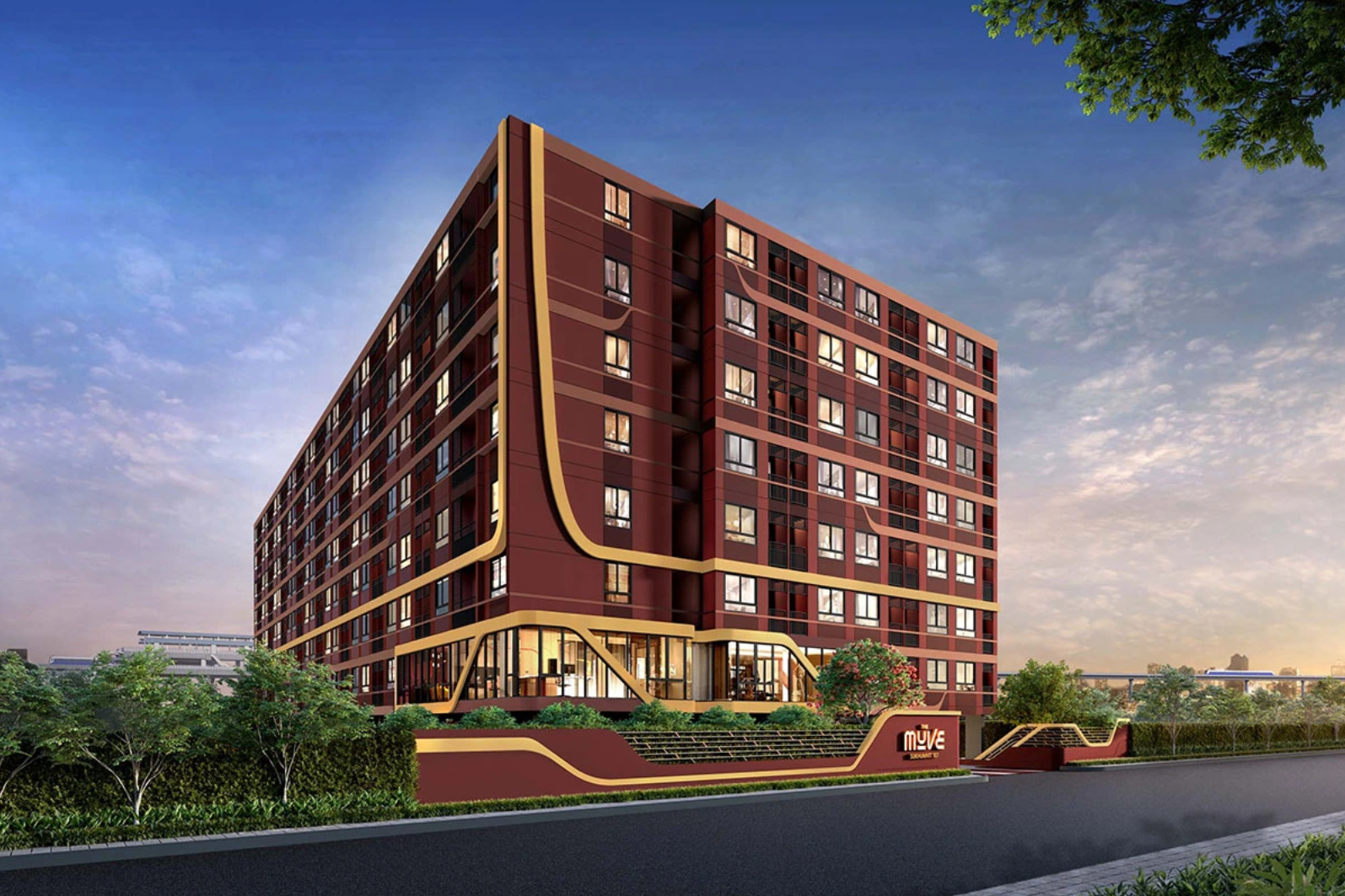
 泰国 · 曼谷
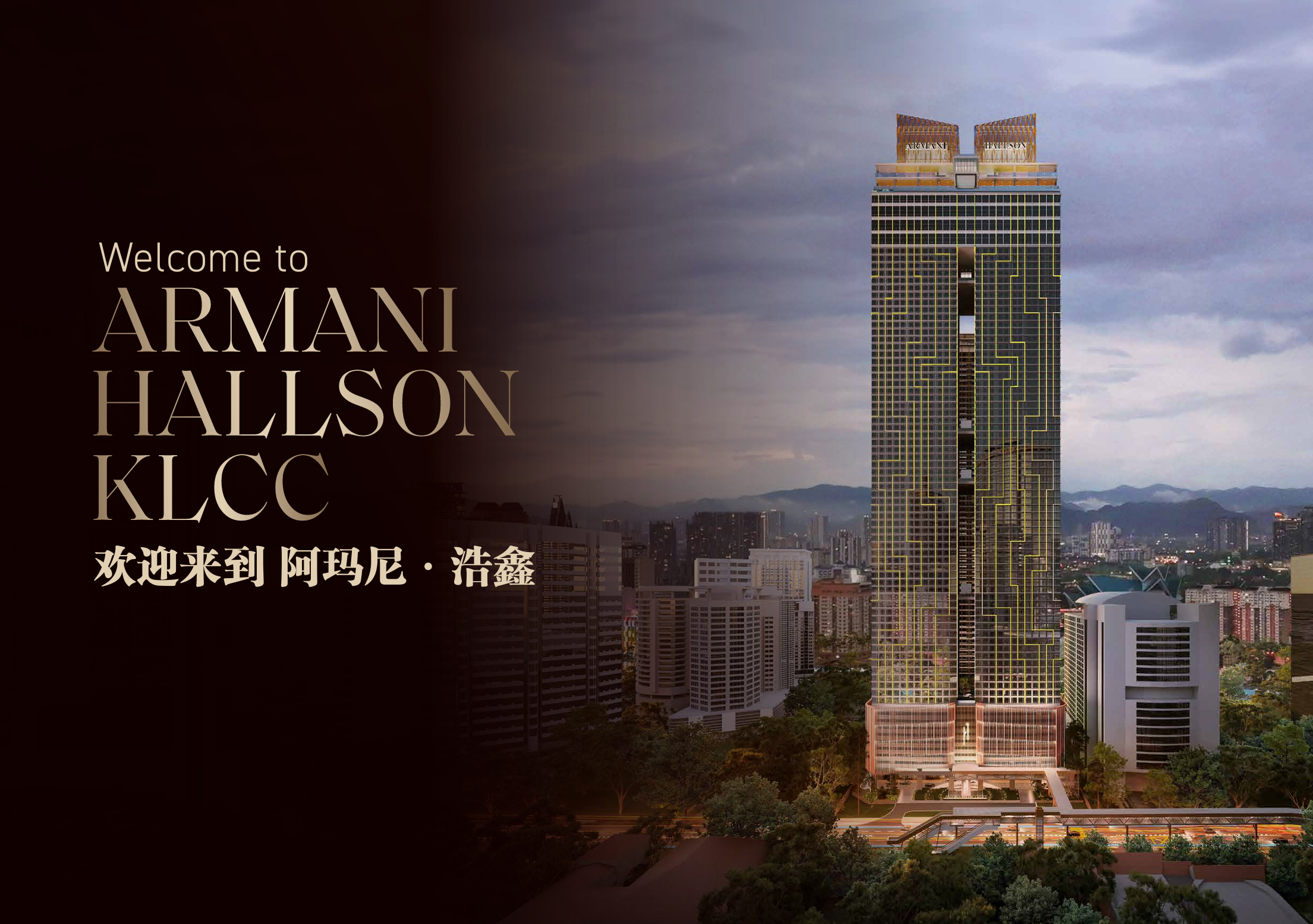 马来西亚 · 吉隆坡
 泰国 · 曼谷
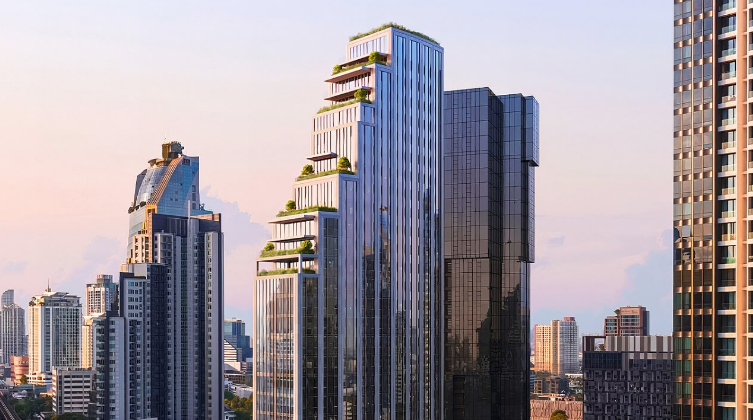 泰国 · 曼谷