中东局势越紧张,一条隐秘路线正在形成:以色列人去泰国,阿拉伯资本奔向马来西亚
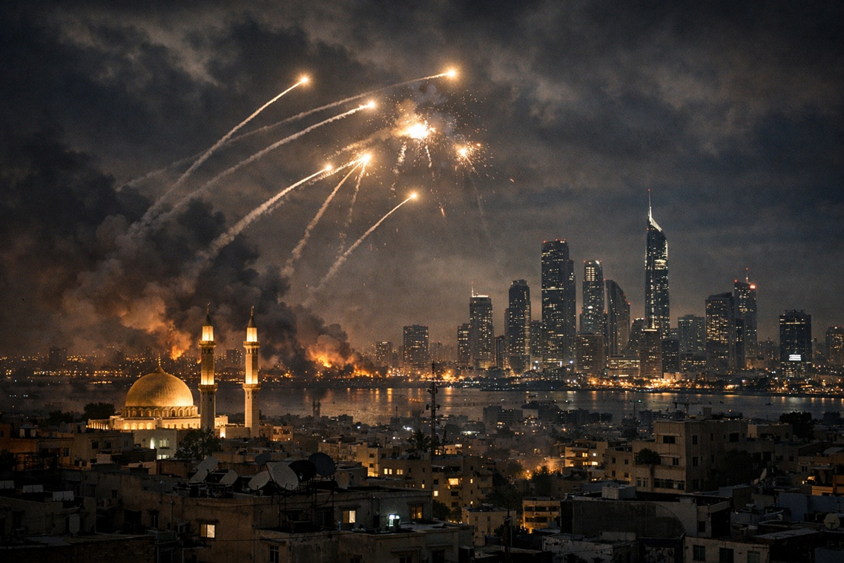
这两个月,中东局势再次急剧升温。随着美国、以色列与伊朗之间的冲突不断升级,整个地区的紧张气氛迅速蔓延。军事打击、报复行动、地区盟友的介入,让这片本就敏感的地区重新变成全球关注的焦点。
Over the past two months, the region has once again entered a period of sharp escalation. With confrontations among the United States, Israel, and Iran intensifying, a wave of instability has spread across the Middle East. Military strikes, retaliatory actions, and the involvement of regional allies have pushed this already fragile region back into the global spotlight.
战争带来的影响,很快就从军事层面扩散到了普通人的生活。在一些地区,航班减少、物资价格上涨,商业活动明显放缓。原本依赖贸易、旅游和能源产业维持运转的城市,也开始受到冲击。企业投资变得更加谨慎,不少跨国公司暂停新的项目,一些中小企业甚至被迫缩减业务规模。
The impact of war quickly spreads beyond the military sphere and into the daily lives of ordinary people. In some areas, flights have been reduced, the prices of goods have risen, and commercial activities have slowed significantly. Cities that once relied on trade, tourism, and energy industries to sustain their economies have begun to feel the impact. Businesses have become more cautious about investment, many multinational corporations have paused new projects, and some small and medium-sized enterprises have even been forced to scale down their operations.
对于普通民众来说,最直接的感受就是生活的不确定感越来越强。而对于那些长期在中东做生意、管理资产的人来说,这种不确定性带来的压力往往更大。一旦局势持续动荡,很多原本稳定运转的商业体系都会受到影响,因此越来越多的人开始重新思考一个问题:如果局势继续恶化,未来应该把生活和资产放在哪里?
For ordinary people, the most immediate feeling is a growing sense of uncertainty in everyday life. For those who have long conducted business or managed assets in the Middle East, the pressure caused by this uncertainty is often even greater. Once the situation becomes persistently unstable, many business systems that once operated smoothly may be disrupted. As a result, more and more people have begun to rethink a critical question: If the situation continues to deteriorate, where should life and assets be placed in the future?
◆ ◆ ◆ ◆
一场正在发生的迁移
A Migration Quietly Underway
◆ ◆ ◆ ◆
随着局势持续紧张,一个新的变化正在中东悄悄出现。不少拥有资产和企业的家庭,开始重新规划未来的生活和投资布局。一些人把资金转移到海外,一些人则干脆把居住地也一起调整。对于他们来说,这并不只是短期避险,更像是一种提前做好的长期安排。
As tensions continue to rise, a new change is quietly emerging in the Middle East. Many families with assets and businesses have begun to reorganize their future living arrangements and investment strategies. Some are transferring funds overseas, while others are even relocating their residence entirely. For them, this is not merely a short-term risk-avoidance strategy, but rather a long-term plan prepared in advance.
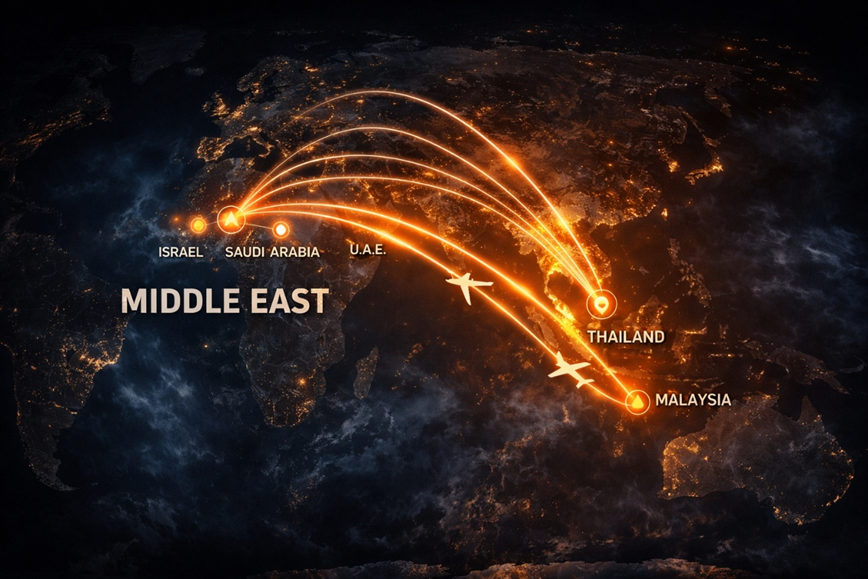
慢慢地,一条清晰的趋势开始浮现出来。来自以色列的一部分人,选择前往泰国。而伊朗以及部分阿拉伯国家的资金和家庭,则把目光投向了马来西亚。这两条路线虽然都指向东南亚,但背后的原因并不完全一样。
Gradually, a clear trend has begun to appear. Some Israelis are choosing to move to Thailand. Meanwhile, funds and families from Iran and certain Arab countries are increasingly turning their attention to Malaysia. Although both routes point toward Southeast Asia, the reasons behind them are not exactly the same.
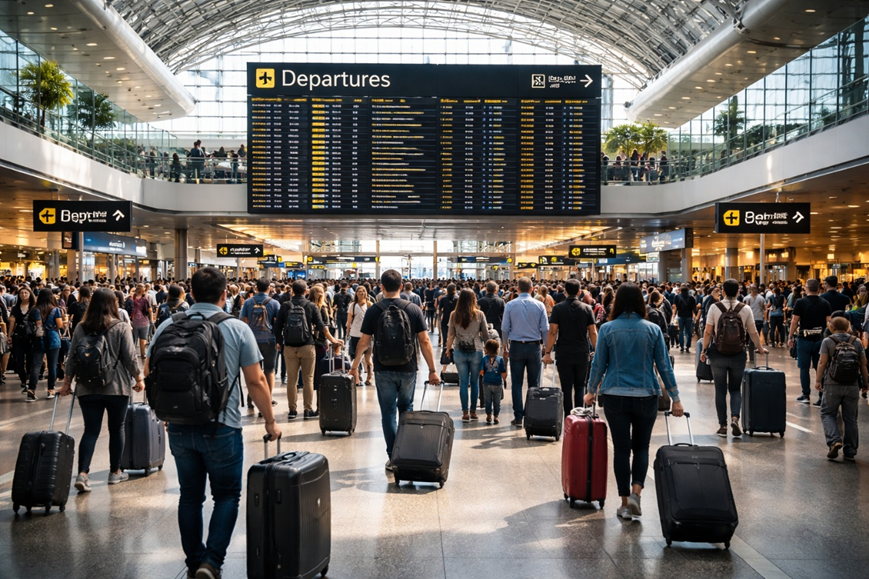
对不少以色列人来说,泰国已经是一个非常熟悉的目的地。多年来,大量以色列游客和创业者都会前往曼谷、清迈或普吉岛生活和工作,一些地方甚至形成了稳定的以色列社区。当地生活方式开放、国际化程度高,再加上医疗、旅游和服务业都十分成熟,因此很多人把泰国当作一个可以长期停留的生活型目的地。
For many Israelis, Thailand has long been a very familiar destination. For years, large numbers of Israeli tourists and entrepreneurs have traveled to Bangkok, Chiang Mai, and Phuket to live and work. In some areas, stable Israeli communities have even formed. The local lifestyle is open and internationalized, and industries such as healthcare, tourism, and services are highly developed. As a result, many people view Thailand as a place suitable for long-term living.
相比之下,来自伊朗以及海湾地区的一些投资者,则明显更倾向于马来西亚。他们做出这种选择,往往考虑得更加务实——既要生活稳定,也要方便继续经营生意和配置资产。因此在东南亚众多国家中,马来西亚逐渐成为他们关注度最高的落脚点之一。
In contrast, investors from Iran and the Gulf region tend to prefer Malaysia. Their decisions are usually more pragmatic—they seek both a stable living environment and convenient conditions for continuing business operations and asset allocation. Among Southeast Asian countries, Malaysia has gradually become one of their most closely watched destinations.
◆ ◆ ◆ ◆
为什么以色列人更偏向泰国
Why Israelis Prefer Thailand
◆ ◆ ◆ ◆
在东南亚众多国家中,泰国一直是以色列人最熟悉的海外目的地之一。很多人第一次来到这里,其实是从旅游开始的。多年来,大量以色列游客在结束兵役后,会选择到泰国旅行放松,曼谷、清迈、普吉岛等城市逐渐形成了稳定的以色列游客和创业者群体。一些餐厅、咖啡馆甚至专门提供希伯来语菜单,当地也能看到不少面向以色列人的社区服务。
Among Southeast Asian countries, Thailand has long been one of the most familiar overseas destinations for Israelis. For many people, their first visit begins with tourism. For many years, large numbers of Israeli travelers—especially those finishing military service—have chosen Thailand as a place to relax. Cities such as Bangkok, Chiang Mai, and Phuket have gradually developed stable communities of Israeli tourists and entrepreneurs. Some restaurants and cafés even provide Hebrew menus, and community services catering to Israelis can also be found locally.
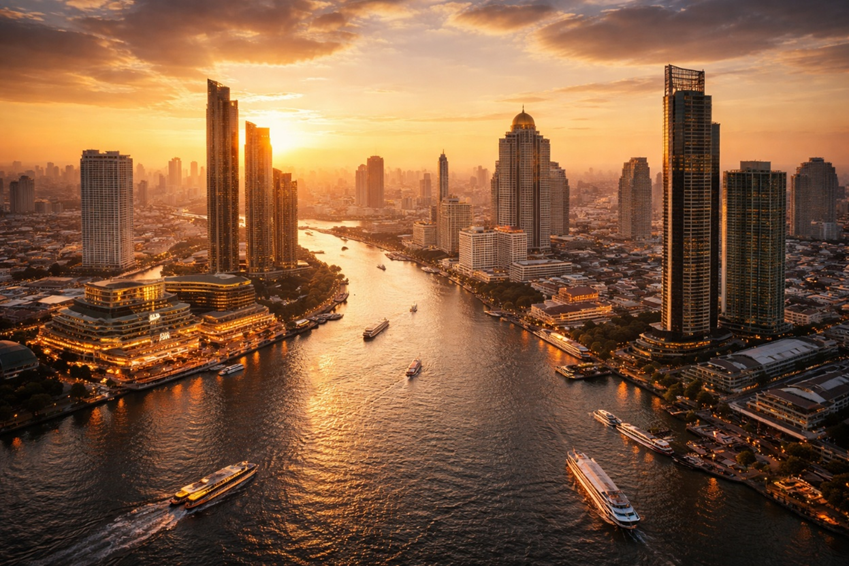
这种长期形成的社群基础,让很多人来到泰国后几乎没有陌生感。除了社交环境之外,泰国的生活方式也更接近西方。曼谷是一座高度国际化的城市,欧美企业、国际学校以及各种文化娱乐设施都非常完善。对于习惯国际化生活环境的人来说,在这里定居并不会有太大的适应压力。
This long-established social network means that many Israelis feel little sense of unfamiliarity when they arrive in Thailand. Beyond the social environment, Thailand’s lifestyle is also closer to Western norms. Bangkok is a highly international city with numerous European and American companies, international schools, and diverse cultural and entertainment facilities. For people accustomed to an international lifestyle, settling here does not require major adaptation.
同时,泰国在医疗和旅游资源方面也有明显优势。曼谷拥有多家在亚洲知名的国际医院,医疗体系成熟,再加上交通便利、服务业发达,长期居住的生活体验相对舒适。
Thailand also holds clear advantages in healthcare and tourism resources. Bangkok hosts several internationally renowned hospitals in Asia, and the medical system is well developed. Combined with convenient transportation and a strong service industry, long-term living conditions are relatively comfortable.
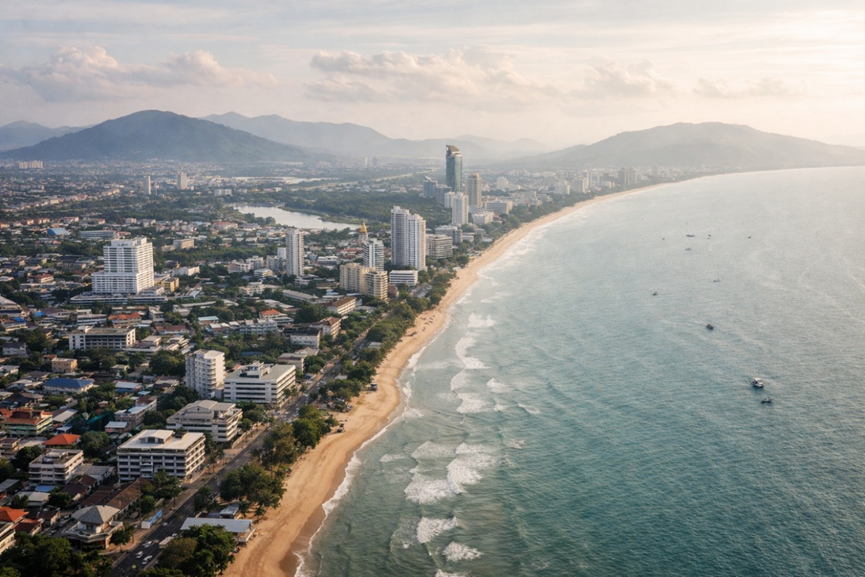
更现实的一点是生活成本。相比欧美国家以及以色列本土,泰国整体消费水平明显更低。从住房、餐饮到日常生活开销,都更加可控。因此对不少以色列创业者和自由职业者来说,在泰国既能保持国际化的生活方式,又能大幅降低生活成本。
Another practical factor is the cost of living. Compared with Europe, the United States, and Israel itself, Thailand’s overall cost of living is significantly lower. Housing, dining, and daily expenses are far more manageable. For many Israeli entrepreneurs and freelancers, Thailand allows them to maintain an international lifestyle while significantly reducing living costs.
而最近几年,泰国政府推出的一些长期居留政策,也进一步增强了这种吸引力。例如,如果购买价值 300万泰铢以上的房产,申请人就有机会获得最长10年的长期居留签证。对于一些希望在海外拥有稳定落脚点的人来说,这样的政策相当于提供了一种长期居住的选择。
In recent years, the Thai government has also introduced several long-term residency policies that further increase its appeal. For example, if an individual purchases property worth more than 3 million baht, they may qualify for a long-term residence visa of up to 10 years. For those seeking a stable overseas base, such policies effectively provide a long-term living option.
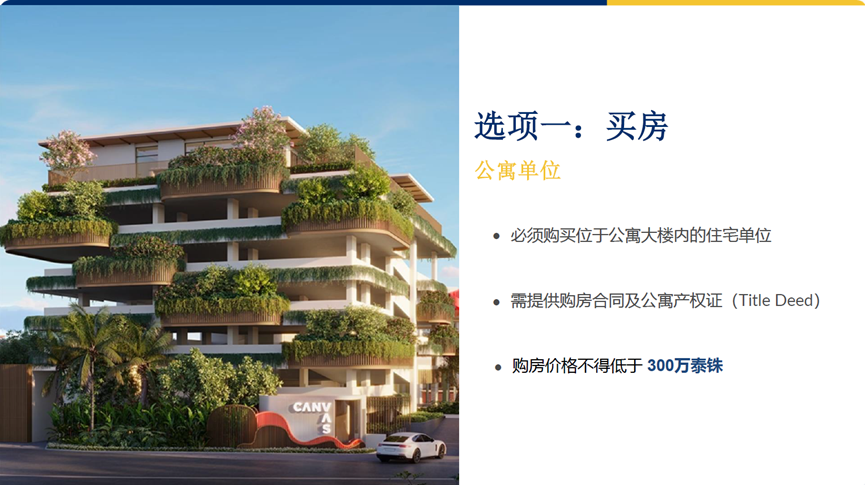
在当前中东局势充满不确定性的背景下,这类政策也让泰国成为不少人眼中一个相对安全、可长期停留的目的地。也正因为这些因素,泰国逐渐成为许多以色列人心中的一个稳定落脚点。
Against the backdrop of growing uncertainty in the Middle East, these policies have made Thailand appear to many as a relatively safe destination where they can stay for the long term.
◆ ◆ ◆ ◆
为什么阿拉伯资本更倾向马来西亚
Why Arab Capital Prefers Malaysia
◆ ◆ ◆ ◆
与以色列人偏向泰国不同,来自伊朗以及一些海湾国家的投资者,在选择落脚点时往往更加看重长期稳定和商业环境。因此在东南亚国家中,马来西亚逐渐成为他们重点关注的目的地之一。
Unlike Israelis who tend to favor Thailand, investors from Iran and certain Gulf countries often place greater emphasis on long-term stability and the business environment when choosing where to settle. Among Southeast Asian countries, Malaysia has gradually become one of their key destinations.
首先是宗教和文化上的接近。马来西亚是一个以伊斯兰文化为主体的国家,伊斯兰教为国教,全国各地都能方便地找到清真餐厅、清真寺以及相关宗教服务。对于很多来自中东的家庭来说,这意味着生活方式几乎不需要做太多改变,日常饮食、宗教活动以及社区环境都能够自然融入。
First, there is religious and cultural proximity. Malaysia is a country where Islamic culture plays a central role, and Islam is the official religion. Halal restaurants, mosques, and religious services are widely available across the country. For many families from the Middle East, this means their lifestyle requires very little adjustment. Daily dietary habits, religious practices, and community environments can be easily integrated.
其次是相对友好的投资环境。马来西亚长期在吸引海外投资,在多个区域推出了针对外资企业的优惠政策。例如依斯干达经济特区、森林城市等区域,都提供一定程度的税收优惠和产业支持。部分符合条件的企业甚至可以获得5到10年的企业所得税减免,这对很多希望继续经营国际业务的投资者来说具有一定吸引力。
Second, Malaysia offers a relatively friendly investment environment. The country has long been active in attracting foreign investment and has introduced favorable policies for foreign enterprises in several regions. For example, areas such as the Iskandar Economic Zone and Forest City provide certain tax incentives and industrial support. Some qualified enterprises may even receive corporate tax reductions for five to ten years. For investors who wish to continue operating international businesses, these policies can be particularly attractive.
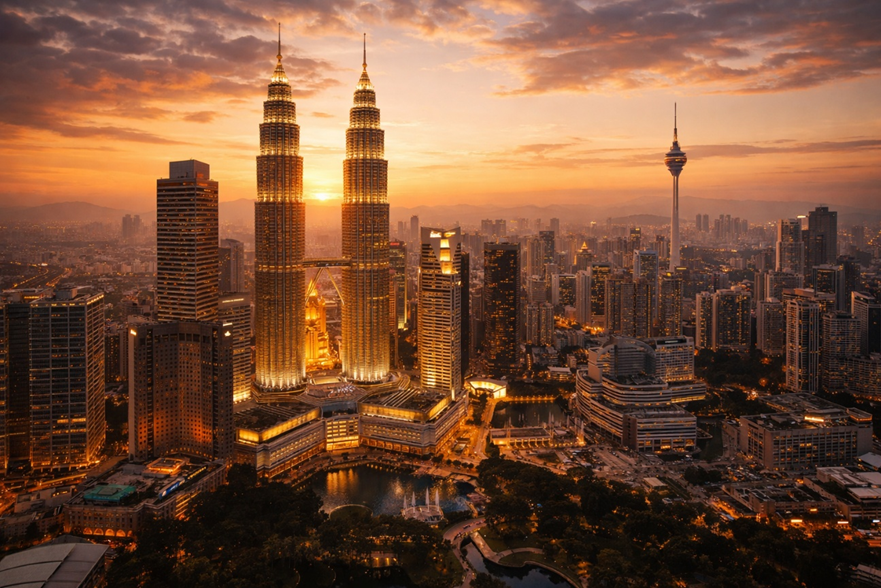
另外,资产配置空间也是一个重要因素。马来西亚的房地产价格整体更加亲民,同时住房面积普遍更大,社区配套也比较完善。因此不少海外投资者会把房产作为一种长期资产配置方式,在居住的同时也兼顾投资回报。
Asset allocation is another important factor. Property prices in Malaysia are much more affordable. Housing prices in many cities are only a fraction of those in major international financial centers. At the same time, homes are typically larger and communities are well equipped with facilities. As a result, many overseas investors treat real estate as a long-term asset allocation strategy—both a place to live and a potential investment.
与此同时,马来西亚还推出了较为知名的“第二家园计划”(Malaysia My Second Home)。该项目为外国人提供长期居留签证,申请流程相对清晰,没有语言考试要求,审批周期也比较可控。对于一些仍然需要往返不同国家处理生意的企业家来说,这种灵活的居留方式也更加方便。
Malaysia also offers the well-known Malaysia My Second Home (MM2H) program. This program provides foreigners with long-term residence visas. The application process is relatively clear, there is no language test requirement, and approval timelines are fairly predictable. For entrepreneurs who still need to travel between countries to manage their businesses, this flexible residency option is especially convenient.
综合这些因素,马来西亚逐渐成为不少中东投资者在东南亚的重要落脚点之一。
Taken together, these factors have made Malaysia one of the most important footholds in Southeast Asia for many Middle Eastern investors.
◆ ◆ ◆ ◆
动荡时代里的选择
Choices in a Turbulent Era
◆ ◆ ◆ ◆
如果把最近一段时间的变化放在一起观察,会发现一个很有意思的现象。在局势不断紧张的背景下,中东一些拥有资产和企业的人群,正在慢慢把生活和投资的重心分散到其他地区。而在东南亚,泰国和马来西亚逐渐成为最受关注的两个目的地。
Looking at these developments together reveals an interesting phenomenon. Amid rising tensions, some asset-owning and business-operating groups in the Middle East are gradually diversifying their living and investment centers into other regions. In Southeast Asia, Thailand and Malaysia have become two of the most closely watched destinations.
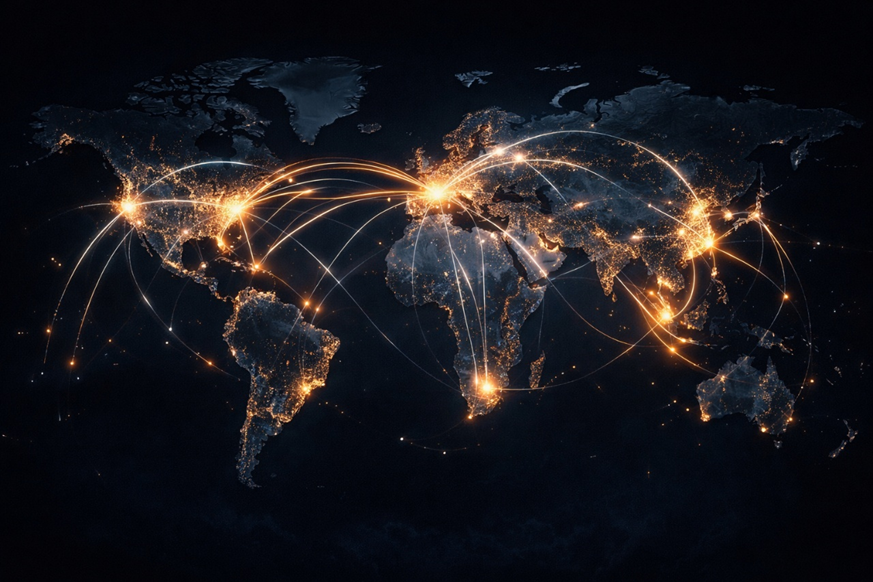
从某种程度上说,这并不是简单的迁移。更多时候,它是一种提前做好的安排。在充满不确定性的时代里,人们往往会为未来准备更多选择,让生活和资产拥有更多安全的落脚点。
In a sense, this is not simply migration. More often, it is a form of preparation made in advance. In an era full of uncertainty, people often prepare more options for the future—ensuring that both life and assets have multiple safe landing points.
而当全球局势发生变化时,这些看似分散的选择,往往也会慢慢勾勒出一张新的世界财富流动地图。
And when global dynamics shift, these seemingly scattered decisions may gradually outline a new map of global wealth flows.


 泰国 · 曼谷
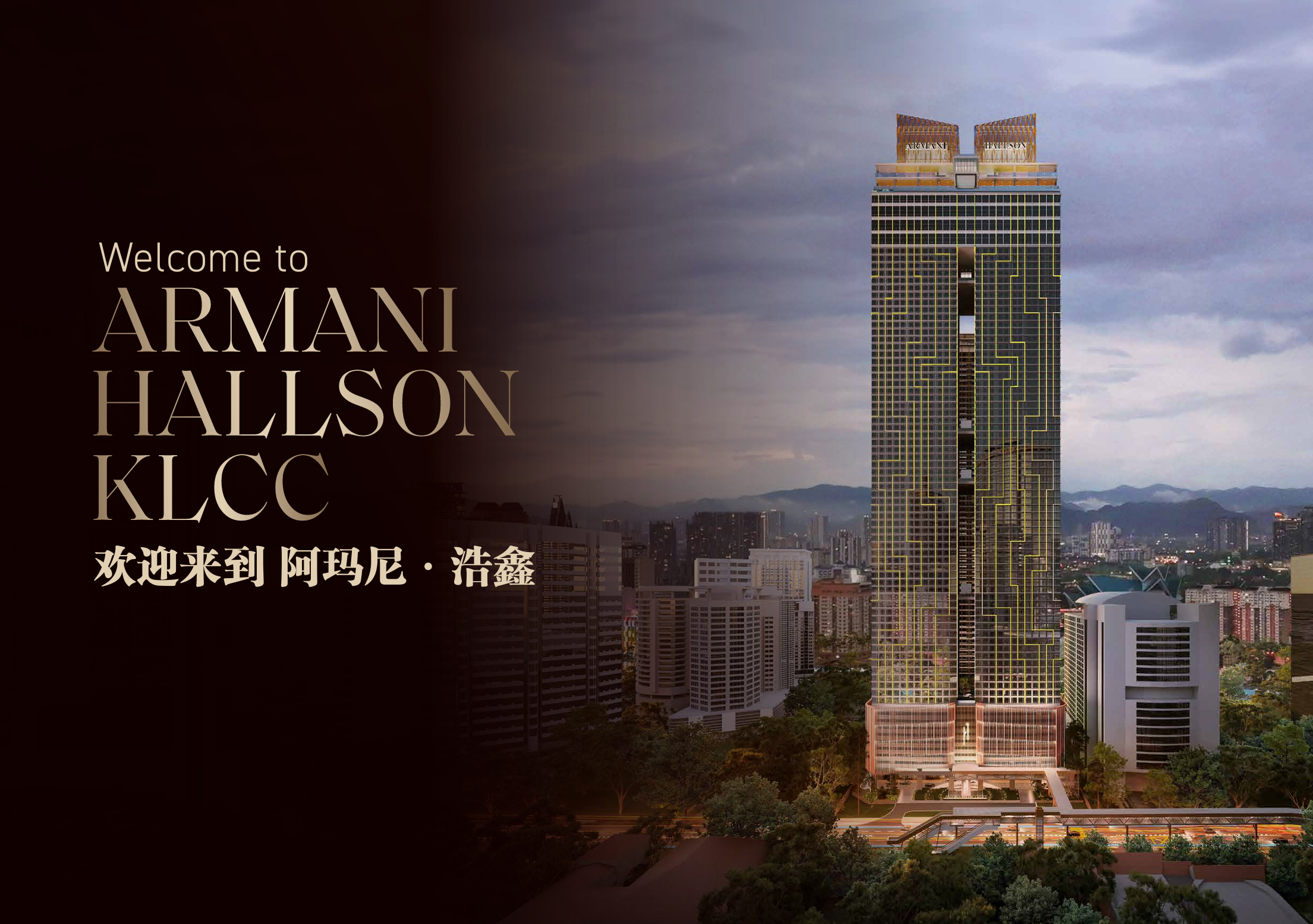 马来西亚 · 吉隆坡
 泰国 · 曼谷
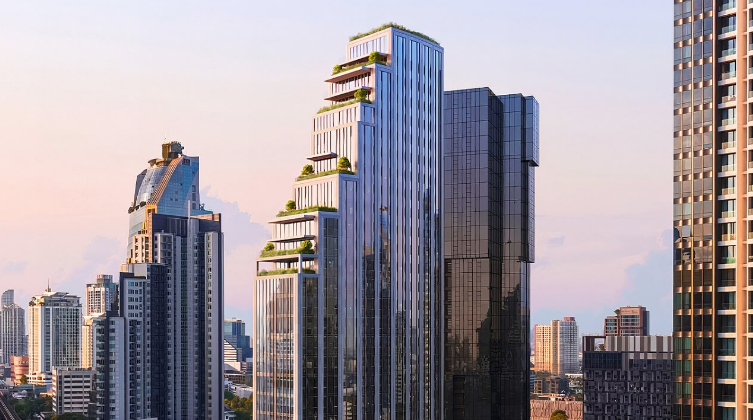 泰国 · 曼谷